
Last reviewed November 2026. This article is general education and is not medical advice or a substitute for guidance from your child’s care team.
Self-advocacy for autistic children means expressing a preference, requesting an accommodation, or making a choice, and it can start well before the teenage years most schools associate with it. Waiting until a transition meeting at sixteen misses years of practice your child could already be getting.
At Achieve ABA Therapy Group, we build self-advocacy into goals at every age, not just as a late addition to an older teen’s plan. Here’s a full look at how that actually works, and how parent training supports it at home.
Why Self-Advocacy Starts Earlier Than Most Families Expect
Federal law treats self-advocacy as part of transition planning, which creates a common assumption that it belongs only to older teens. In practice, the groundwork starts much earlier.
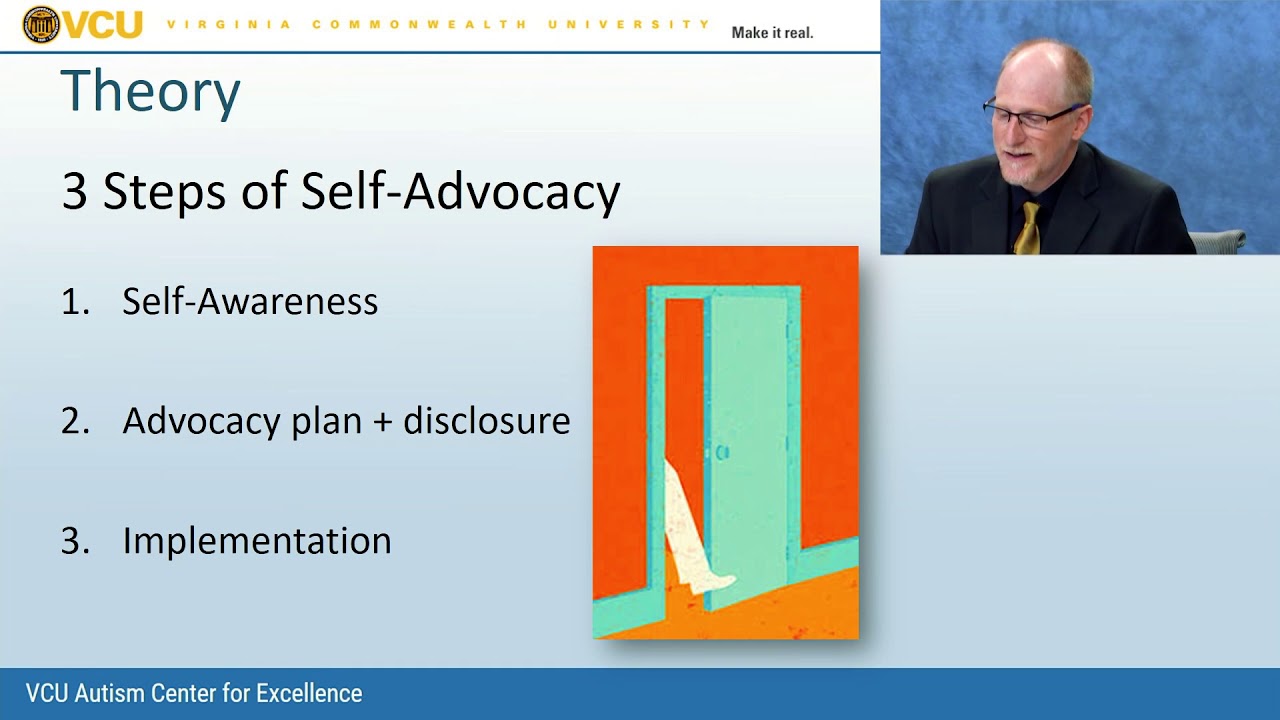
Self-Advocacy Is a Skill Set, Not a Single Milestone
Expressing a preference, communicating discomfort, or asking for a break are all early forms of self-advocacy. A toddler who reaches for a specific toy instead of accepting whatever is handed to them is practicing a version of the same skill a teenager uses to ask a teacher for extended time on a test.
Colorado Starts Formal Transition Planning Earlier Than Most States
Federal law sets age 16 as the latest point for formal transition planning, which must include self-advocacy and self-determination skill building.
Colorado’s own special education rules, the Exceptional Children’s Educational Act, require this planning to begin by age 15, a full year ahead of the federal minimum. That earlier start reflects a broader point: the younger the groundwork begins, informally, the smoother that formal planning tends to go later.
Why Some Families Get Told to Wait
It’s common for parents to be told self-advocacy “isn’t relevant yet” for a young child. In practice, this usually reflects a narrow definition of self-advocacy as formal, verbal requests, rather than the much broader skill set that starts with simple choice-making and communication.
Building Self-Advocacy Skills at Home
Home is where most early self-advocacy practice actually happens, often without anyone labeling it that way.
Offering Real Choices, Not Just the Illusion of Them
A choice between two snacks is only meaningful if your child has an actual way to express which one they want, whether that’s pointing, a word, or an AAC device. If communication access isn’t there yet, the choice itself doesn’t build the skill.
Responding to Communication Attempts, Even Imperfect Ones
A child who pushes away a demand, or who starts refusing a task outright, is often communicating something real, even if the method isn’t the one you’d eventually want them using.
Reinforcing the underlying message, while teaching a clearer way to send it, tends to work better than treating the refusal only as a behavior to eliminate.
Practicing Requests for Accommodations in Low-Stakes Moments
Asking for a break during a favorite activity is lower stakes than asking for one during a stressful one. Practicing the skill when the stakes are low builds the habit before your child actually needs it under pressure.
Narrating Your Own Self-Advocacy Out Loud
Modeling matters more than most parents realize. Saying out loud, in front of your child, something like “I’m going to ask for a quieter table because this one is too loud for me” shows self-advocacy as a normal, everyday action rather than something reserved for big, formal moments.
Want help turning everyday moments into self-advocacy practice? Ask about parent training so your BCBA can suggest specific choice-making opportunities that fit your family’s actual routine.
Building Self-Advocacy Skills at School
School is where self-advocacy eventually has to work outside the comfort of home, often with people your child knows less well.
Involving Your Child in Their Own IEP, Even Briefly
Federal regulation allows a student to be invited to IEP discussions where their own preferences are relevant, and Colorado’s framework encourages involving students well before the mandatory transition age.
Even a few minutes of a child sharing one preference in their own words, with support, builds a habit of being present in decisions about their own education.
Teaching the Specific Language a Classroom Needs
“I need a break” or “this is too loud” are learnable, specific phrases, and they tend to work better taught directly and practiced than left for a child to figure out on their own in the moment.
Coordinating With Teachers on What a Request Should Sound Like
A request that works perfectly at home might come out differently at school, especially if a teacher doesn’t know your child’s communication style yet. Sharing specific phrases or signals directly with school staff closes that gap faster than hoping it translates on its own.
Practicing With Peers, Not Just Adults
Self-advocacy toward a teacher is one skill. Self-advocacy toward a classmate, asking someone to stop, or to wait their turn, is a related but distinct skill that’s worth practicing separately, since the dynamics with peers are different from the dynamics with an authority figure.
Keeping Self-Advocacy Affirming, Not Just Compliant
There’s a meaningful difference between teaching a child to ask politely and teaching a child that their preferences are worth stating at all.
The Goal Is a Real Voice, Not Just Polished Manners
A neurodiversity-affirming approach to self-advocacy treats the content of what a child is communicating as important, not just the form it takes. A child who says “no” bluntly is still communicating something worth responding to.
Celebrating Advocacy Even When It’s Inconvenient
A child who advocates for something you’d rather they not ask for, more screen time, a different seat, a change in plans, is still practicing the skill. The lesson that sticks is whether advocacy gets heard, not whether it’s always granted.
Supporting Self-Advocacy for Nonspeaking Children
Self-advocacy doesn’t require spoken language.
A nonspeaking child using an AAC device, a picture system, or a consistent set of gestures can advocate just as meaningfully as a child using full sentences, provided the people around them are actually paying attention and responding to it as real communication.
Giving Your Child a Voice That Grows With Them
Self-advocacy for autistic children is built in small, repeated moments long before any formal transition meeting, through real choices, responded-to communication attempts, and practice asking for what’s needed while the stakes are still low.
If you want help building these goals into your child’s plan at home, our ABA parent training service can give you the guidance and tools to support their progress. Whether you’re in Centennial, Broomfield, or elsewhere in Colorado, we’re here to help your child build skills they can use at home, at school, and in everyday life.
Wondering how to start building these skills into your child’s current goals? Reach out to our team to talk through where self-advocacy could fit into what your child is already working on.
Frequently Asked Questions
At what age should self-advocacy teaching start?
Earlier than most families expect. Simple versions, like offering real choices and responding to communication attempts, can start in early childhood, well before formal school-based planning begins.
Is self-advocacy the same as being compliant or polite?
No. Self-advocacy is about a child’s needs and preferences actually being communicated and heard, not about delivery style alone.
What if my child’s main way of communicating a need is a behavior, not words?
That behavior is still a form of communication worth taking seriously. The goal is usually to build a clearer alternative, not to simply suppress the original behavior.
Can self-advocacy goals be written into an ABA treatment plan at a young age?
Yes. Choice-making and communication-based goals that support later self-advocacy can be included well before a child is old enough for formal transition planning.
How do I know if my child’s self-advocacy attempts are actually being heard at school?
Ask directly, and look for specific examples from the teacher, not just a general reassurance. A specific anecdote is a better sign than a vague “yes, of course.”
Sources
- U.S. Department of Education, Office of Special Education Programs. Individuals with Disabilities Education Act, 34 C.F.R. § 300.43 (definition of transition services). https://sites.ed.gov/idea/regs/b/a/300.43
- U.S. Department of Education, Office of Special Education Programs. Individuals with Disabilities Education Act, 34 C.F.R. § 300.321 (IEP team participants). https://sites.ed.gov/idea/regs/b/d/300.321
- Colorado Department of Education. Legal essentials for secondary transition planning in Colorado. https://ed.cde.state.co.us/cdesped/resources/secondary-transition-special-education-services-for-youth-ages-15-21/colorado-secondary-transition-framework-pathways-to-possibilities-toolkit/legal-essentials-for-secondary-transition-planning-in-colorado
- Frank Porter Graham Child Development Institute, University of North Carolina at Chapel Hill. Supporting the development of self-determination skills. https://csesa.fpg.unc.edu/sites/csesa.fpg.unc.edu/files/resources/AAG-Supporting%20Self-Determination_final.pdf
- Colorado Department of Education. Secondary transition basics. https://ed.cde.state.co.us/cdesped/resources/secondary-transition-special-education-services-for-youth-ages-15-21/colorado-secondary-transition-framework-pathways-to-possibilities-toolkit/secondary-transition-basics