
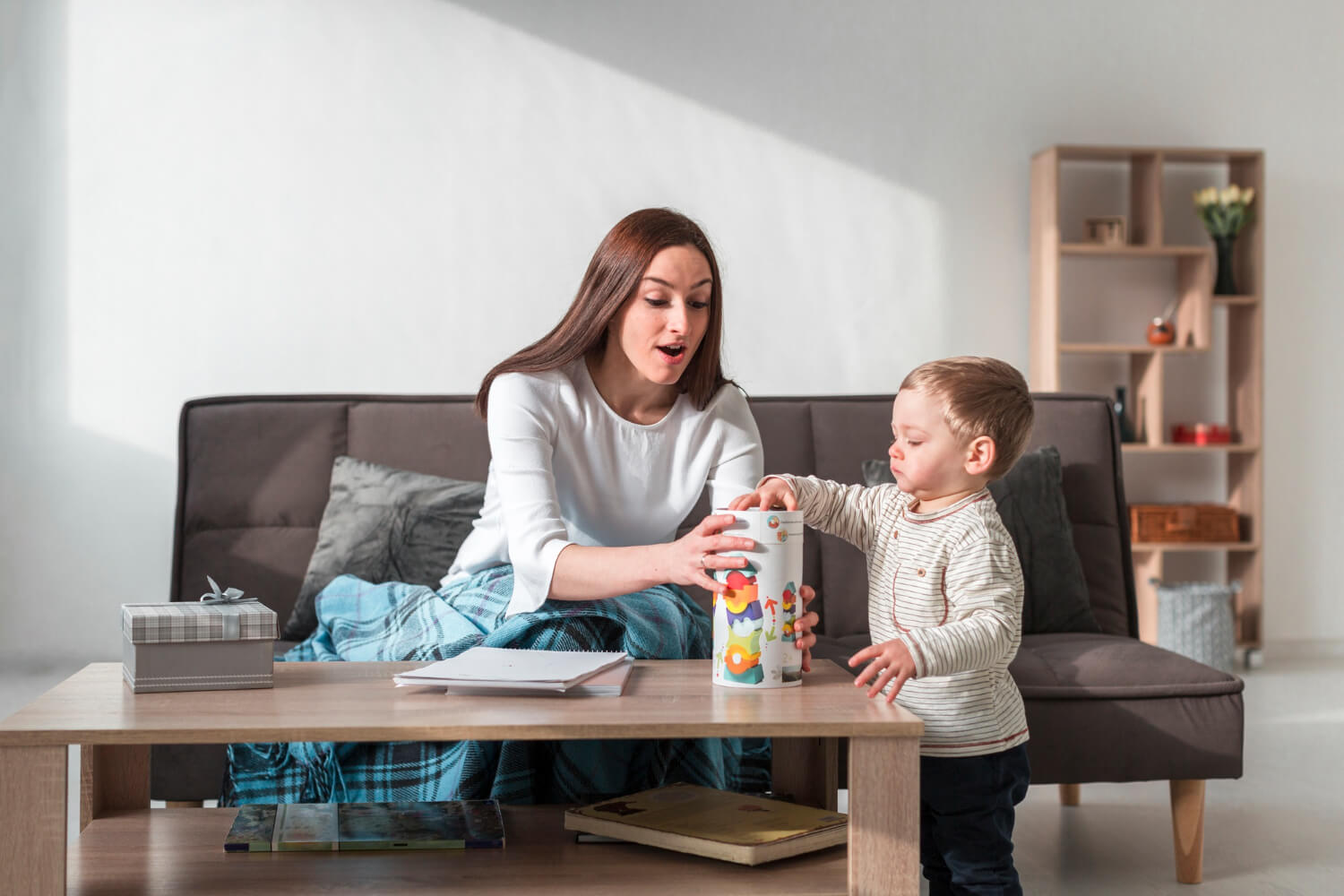
An autism babysitter is not the same job as a regular one. A standard sitter needs to keep your child fed, entertained, and safe until you get home. An autism babysitter needs to know your child’s routine well enough to keep it running without you, recognize the first signs of sensory overload before it becomes a meltdown, and stay calm if your child bolts toward the door.
At Achieve ABA Therapy Group, we build that same kind of consistency into every Colorado family’s in-home ABA therapy plan. A good sitter just needs that information handed off the right way.
Why Autism Changes What You Need From a Babysitter
A typical babysitter job description does not prepare anyone for a child who communicates through gestures instead of words, or who needs the same three steps before bed every night. The sitter is stepping into a routine your child has spent months building trust in, and that is worth treating like a different job.
It also helps to know the scale of this: current CDC estimates put autism spectrum disorder at about 1 in 31 8-year-olds nationally. Most sitters, coaches, and volunteers your family meets will cross paths with an autistic child at some point, even if they have never been trained for it.
Trust Takes Longer to Build
Many autistic children take weeks, not minutes, to feel safe with someone new. In our in-home ABA therapy sessions, we spend real time on pairing before we ever ask a child to work on a skill, building trust first. A babysitter benefits from the same approach: short, low-pressure visits before the first time you leave the house.
One Rough Visit Can Undo Weeks of Progress
A sitter who does not know your child’s cues can trigger a meltdown that takes days to recover from, not because they meant to, but because they missed the warning signs. In the homes I visit each week, it is rarely one big mistake. It is usually a string of small ones:
- Skipping the transition warning before switching activities
- Missing a stim that was actually communication
- Pushing through a meal refusal instead of offering the usual alternative
What Any Sitter Needs to Know Before They Watch Your Child
A written sheet beats a five-minute conversation at the door, especially since most sitters will not remember every detail once your child starts testing limits. Three areas matter most:
- Communication
- Sensory needs
- Safety
How Your Child Communicates
Write out exactly how your child communicates, an AAC device, sign language, gestures, or key words, and what the sitter should do if they cannot understand a request. Our early intervention program builds this same kind of reliable communication, so your child has a way to ask for a break no matter who is listening.
Sensory Triggers and What Calms Them
List the specific sounds, textures, or lighting that set your child off, and pair each one with what reliably helps, a weighted blanket, noise-cancelling headphones, or a particular corner of the room. Skip vague language like “gets overwhelmed” and write down the actual trigger and the actual fix.
A Simple Safety Plan for Elopement or Meltdowns
If your child has a history of bolting toward doors or roads, say so directly and give the sitter a written plan:
- Which doors need a chime or lock
- What to do if your child leaves a room
- When to call you instead of calling 911
If your child has handled haircuts and appointments well before, the same steps that helped there, a visual countdown, a practice run, a comfort item, tend to help with a new sitter too.
Building a Babysitter Binder Your Whole Support Team Can Use
A binder or a shared notes app sounds basic, but it is the single biggest thing that turns a one-time sitter into someone you can call again. At minimum, include:
- A visual schedule
- A reward or token system
- Emergency contacts and medical details
The same tools your ABA team already uses during parent training work well here too.
A Visual Schedule They Can Follow
Give the sitter the same visual schedule your child already uses with us or at school. A familiar sequence of pictures, snack, then play, then bath, then bed, keeps the evening predictable even when the person running it is new.
A Reward System That Does Not Confuse Your Child
If your child earns tokens toward a reward at home, hand the sitter the same chart and the same rules. Swapping in a different reward structure for one night can undo weeks of consistency.
Emergency Contacts and Medical Details in One Place
Keep one copy on paper by the door and one saved on your phone, including:
- Your pediatrician’s name and number
- Medications and dosing times
- Allergies
- Diagnosis details, if the sitter should know them for a medical situation
- A backup contact if you are unreachable
Where Colorado Families Find an Autism Babysitter
Most of the families we work with started their search in roughly the same three places. None of them are secret, but knowing where to look first saves weeks of trial and error.
Start With Your ABA Team
Registered behavior technicians, especially those finishing their coursework, often want part-time work and already know how to run a session using ABA strategies. Ask your BCBA or your in-home ABA therapy team whether anyone on staff babysits on the side. It is usually the fastest way to find someone who does not need a three-page explanation of what a meltdown looks like.
Family, Friend, and Neighbor Care Networks
According to the Colorado Department of Early Childhood, more than half of Colorado families already rely on this kind of care, a grandparent, an aunt, a neighbor, or a family friend, to fill childcare gaps. These caregivers already know your child, which often outweighs formal training, and the state now offers free courses through its FFN Support Program to help them build skills specific to child development.
Apps and Directories Built for Special Needs Care
A couple of tools make it easier to filter for experience rather than starting from zero:
- Care.com’s special needs care filter lets you search caregivers who already list disability experience, instead of screening every general babysitter profile yourself.
- The Colorado Respite Coalition’s resource finder, a program of Easterseals Colorado, lets you search by county and by need, including Intellectual/Developmental Disability, and filter for providers who accept Medicaid, offer scholarships, or are free.
Local Resources Across Colorado
We work with families throughout the state, and most of what applies in one city applies in the next. In the Denver metro area, that includes Denver, Aurora, Lakewood, Thornton, Arvada, Westminster, Centennial, Parker, Castle Rock, Broomfield, and Englewood.
Further north, that covers Boulder, Longmont, Loveland, Fort Collins, and Greeley, and to the south, Colorado Springs and Pueblo. Ask your local Community Centered Board about respite provider lists in addition to your own network, since local respite coalitions and special education parent groups are often where these referrals start.
If your city is not listed here, check our full list of Colorado locations to see if our team already works nearby.
Interviewing and Training a New Sitter
Writing down your child’s needs is only half the job. The other half is actually walking a new sitter through it before you hand them your keys and leave.
Questions Worth Asking Before You Book
A quick phone or video call before you ever meet in person filters out most bad fits. Worth asking:
- Have you cared for a child with autism or another developmental disability before?
- What would you do if a child refused to follow a direction or started to escalate?
- Are you comfortable following a written routine exactly, even if it feels repetitive?
- What would you do if a child tried to leave the house or yard without permission?
- Are you CPR or First Aid certified?
There are no wrong answers to the first question. Plenty of excellent sitters are learning this for the first time. What matters is whether they answer the rest of these with curiosity instead of defensiveness.
A Shadow Visit Before the First Solo Booking
Have the sitter come for an hour while you are still home, ideally more than once. Watch for:
- How they respond to a request for a break
- How they handle a refusal
- How they react to a stim you know is coming
This also gives your child a chance to get used to a new voice and presence while you are still in the room, which shortens the trust-building period described earlier.
Keeping the First Outing Short
Book the actual first solo booking for something short and close by, a grocery run or an hour with a friend, not a full date night across town. Stay reachable, and plan one check-in call or text partway through rather than waiting to hear from the sitter only if something goes wrong.
Vetting Anyone Who Will Be Alone With Your Child
A warm reference from a friend is a good start, not a finish line. Any child who cannot easily describe what happened while you were away deserves an extra layer of diligence, even when the person watching them comes highly recommended.
Running Your Own Background Check
Colorado residents can run a name-based criminal history search on anyone through the Colorado Bureau of Investigation’s Internet Criminal History Check for a small per-record fee, separate from whatever a babysitting app or agency claims to have already checked. It is not a substitute for knowing someone, but it is a cheap, fast second opinion.
First Aid and CPR Worth Asking About
A private sitter is not required to hold CPR or First Aid certification the way a licensed daycare employee is, but it is worth asking about directly, especially if your child has a seizure history, a swallowing or feeding precaution, or another medical consideration. Community centers, the Red Cross, and the Colorado Respite Coalition all list low-cost classes open to the public if a sitter you like is not yet certified.
What Colorado Families Typically Pay for This Kind of Care
There is no single statewide rate, and anyone who quotes you one exact number is guessing. What actually moves the price:
What Tends to Raise the Rate
- Prior experience with autism or another developmental disability
- RBT coursework or other behavior technician training
- CPR or First Aid certification
- Last-minute or overnight bookings
- More than one child in care at once
A sitter with this kind of background usually costs more than a standard teenage babysitter, and that is a fair trade for the peace of mind. Ask your ABA team what other families in your area typically pay. They have usually seen a range of real numbers, not just a national average from an app.
Ways to Stretch the Budget
- Split a trusted sitter with another family in your Family, Friend, and Neighbor network
- Ask whether a Colorado Medicaid respite benefit covers part of the cost, covered next
- Check the Colorado Respite Coalition’s resource finder for providers that list scholarships, sliding-scale fees, or free services
Paying for Respite Care Through Colorado Medicaid
If your child is on a Medicaid waiver, some of this care may be covered under the respite benefit rather than coming entirely out of pocket. Coverage depends on your child’s specific waiver and eligibility, so treat this as a starting point for a conversation with your case manager, not a guarantee.
What the Respite Benefit Covers
Colorado’s Department of Health Care Policy and Financing offers respite through several Home and Community Based Services waivers, meant to give the person who normally provides care, usually a parent, a short-term break. Depending on the waiver, respite can be delivered in your home or through a day camp setting, and it is billed separately from ABA therapy sessions.
Who Qualifies for the Children’s Extensive Support Waiver
The Children’s Extensive Support Waiver is built for children who:
- Are under 18
- Have a developmental disability that requires supervision well beyond what is typical for their age
- Live in the family home
Parental income is waived when determining eligibility, which opens the door for families who would not otherwise qualify for Medicaid. Your local Community Centered Board or case management agency can walk you through the application.
Other Ways to Offset the Cost
If a Medicaid waiver is not an option right now, the Colorado Respite Coalition’s resource finder can be filtered specifically for providers that accept scholarships, are free, or accept funding sources other than private pay, in addition to the Community Centered Boards mentioned earlier.
Knowing When a Babysitter Is Not Enough
Sometimes what a family needs is not a better sitter. It is more structured support built around the whole week, not just one evening.
Signs Your Child Needs More Structured Support
If every sitter search ends the same way, in a cancellation, a meltdown, or a caregiver who says they cannot do it again, that pattern is worth mentioning to your BCBA. It might mean the plan needs more consistency across settings, or that weekend ABA therapy could cover hours a sitter currently cannot.
How Our Team Supports Families Between Visits
Between scheduled sessions, we work with parents on the exact tools a sitter would also need: the visual schedule, the communication plan, the calming strategies. If your child is heading back to school soon, our back-to-school support and school-based ABA therapy build that same consistency into the classroom. And if you are still working through a autism diagnosis, our team is glad to talk through a plan built around your specific child.
Finding Care That Fits Your Child
A good autism babysitter is not impossible to find in Colorado. It usually comes down to treating the search like any other part of your child’s care team: write down what works, vet carefully, and lean on the people who already know your child before searching for a stranger.
If your family is still building that routine, or you are weighing whether a babysitter, respite care, or a more structured therapy schedule is the right next step, our team is here to help you.
Frequently Asked Questions
At what age should I start looking for an autism babysitter?
There is no set age. Many parents start once they have identified consistent routines, communication methods, and sensory needs they can hand off in writing, often around the same time they begin an early intervention or in-home program.
My child is already in daycare during the day. Does that change what I need from an evening sitter?
Not usually. The same communication tools and calming strategies your daycare-based ABA therapy team already uses tend to carry into the evening. If you are still choosing a daycare itself, that is a separate search with its own questions, ADA rights, and Colorado Shines ratings, which we cover in our guide to choosing an autism daycare in Colorado.
What about older teens or young adults who need more support than a typical sitter provides?
For young adults living in a group home setting, our group home ABA therapy works directly with residential staff on the same consistency this guide describes for family sitters, just in a different setting.
Is ABA therapy the same thing as respite care?
No. ABA therapy is a structured, goal-driven treatment led by trained clinicians, while respite is unstructured relief care meant to give a caregiver a break. Some Colorado Medicaid waivers cover both, but they are billed and delivered differently.
What should go in a sitter binder if I do not have time to build one from scratch?
At minimum: communication style, sensory triggers, a safety plan for elopement, emergency contacts, and the visual schedule and reward system already in use at home. Even a rough version beats none.
How much should I expect to pay for a sitter with autism experience in Colorado?
Rates vary by city, experience, and whether the sitter has RBT or CPR training, so there is no single statewide number. A sitter with specialized experience usually costs more than a standard teenage sitter. Some of that cost may be offset if your family qualifies for a Colorado Medicaid respite benefit.
Does my sitter need CPR or First Aid certification?
It is not required for a private sitter the way it is for a licensed daycare employee, but it is worth asking about directly, especially if your child has a seizure history or another medical consideration. Community centers and the Colorado Respite Coalition both list low-cost CPR classes open to the public.
What if the first sitter I try does not work out?
That happens more often than parents expect, and it does not mean your child is impossible to sit for. Debrief honestly about what went wrong, adjust the binder if something was missing, and aim to build a short list of two or three sitters rather than relying on just one.
Sources:
- Centers for Disease Control and Prevention. (2025). Data and statistics on autism spectrum disorder. https://www.cdc.gov/autism/data-research/index.html
- Eunice Kennedy Shriver National Institute of Child Health and Human Development. (2021). About autism. https://www.nichd.nih.gov/health/topics/autism/conditioninfo
- National Institute of Mental Health. (n.d.). Autism spectrum disorder. https://www.nimh.nih.gov/health/topics/autism-spectrum-disorders-asd
- Colorado Department of Health Care Policy and Financing. (n.d.). Respite. https://hcpf.colorado.gov/respite
- Colorado Department of Health Care Policy and Financing. (n.d.). Children’s Extensive Support Waiver (CES). https://hcpf.colorado.gov/childrens-extensive-support-waiver-ces
- Colorado Department of Early Childhood. (n.d.). Family, Friend, and Neighbor (FFN). https://cdec.colorado.gov/family-friend-and-neighbor-ffn
- Colorado Department of Early Childhood. (n.d.). Early intervention for infants and toddlers with developmental delays. https://cdec.colorado.gov/early-intervention-for-infants-and-toddlers
- Colorado Bureau of Investigation. (n.d.). Internet Criminal History Check (ICHC). https://cbi.colorado.gov/records-background-checks/internet-criminal-history-check-ichc
- Colorado Respite Coalition, a program of Easterseals Colorado. (n.d.). Resource finder. https://coloradorespitecoalition.org/resource-finder/