


Last reviewed November 2026. This article is general education and is not a diagnosis or a substitute for care from your child’s providers.
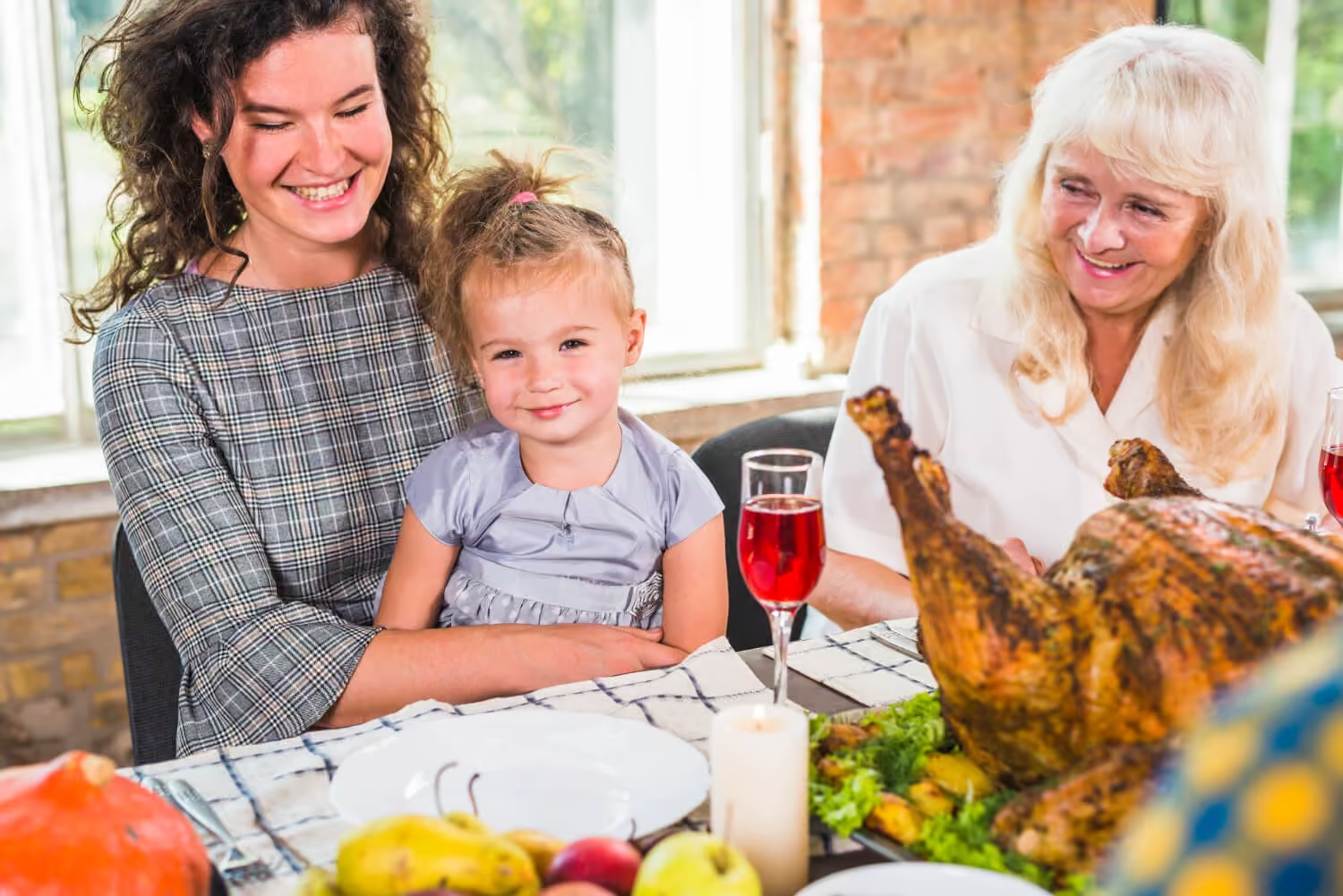
Wondering how to make Thanksgiving easier for your autistic child? Start by keeping the day as predictable as possible, making room for breaks, and adjusting expectations to fit your child’s comfort level. You don’t need a perfect holiday schedule, just a plan that works for your family.
Of course, that’s sometimes easier said than done when you’re juggling travel, relatives, unfamiliar foods, and a house full of activity.
At Achieve ABA Therapy Group, we support Colorado families in developing practical skills for situations like these. Below, we’ll walk through how to prepare your child for Thanksgiving and navigate the parts of the holiday that may feel overwhelming.
Why Thanksgiving With an Autistic Child Needs Its Own Plan
Thanksgiving combines travel, crowds, unfamiliar food, and a schedule that bends around a meal. Each piece is manageable alone. Together they can drain a child’s coping skills well before dessert.
The usual structure disappears
Most children with autism lean on routine to know what comes next. On Thanksgiving, meals shift, naps move, and screens may follow different rules. When a day has no shape, a child has to guess.
Predictability gives your child information, and information lowers stress. That is why so much of this plan is about showing your child the day before it happens.
Sensory input stacks up in one house
A single home can hold cooking smells, a loud television, kitchen timers, clattering dishes, and a dozen overlapping conversations. Add scratchy dress clothes and a line of relatives waiting to hug, and the load climbs fast.
Many children with autism process sound, smell, touch, and light differently. A room that feels cozy to one person can feel like too much to another.
The social rules are unspoken
Thanksgiving asks for a lot of unwritten behavior: greet everyone, accept a hug, sit through a long meal, try what is served, and say thank you. These are skills, and skills can be taught.
Relatives may also comment on what your child eats or how they play. You can plan for that, and we cover it below.
Getting Ready in the Two Weeks Before Thanksgiving
Preparation works best in small doses. A few minutes a day for two weeks beats one long talk the night before.
Preview the day with photos and a simple schedule
Make a short visual schedule with a picture for each part of the day: car or plane, arrival, quiet time, dinner, dessert, goodbye, home.
Researchers at the University of Delaware suggest building a visual schedule for the week leading up to family gatherings and setting up a quiet corner with soft lighting and noise-canceling headphones.
Visual supports and social narratives are among the practices the National Clearinghouse on Autism Evidence and Practice identified in its 2020 review. Use photos of the actual relatives and rooms if you can. Review the schedule once a day, and let your child move or check off each picture.
Practice the parts that are new
Pick two or three moments that are likely to be hard, and rehearse them in short, low-pressure turns. Common ones include greeting a relative, waiting while others fill their plates, sitting at a long table, and saying “no thank you” to a food.
We walk through the teach, practice, and fade pattern in our Halloween prep guide. The same steps work for the front door of Grandma’s house.
Give your child more than one way to greet someone. A wave, a high five, a fist bump, or a card can all count as hello.
Send a short note to the host
A brief message to the host saves you a lot of explaining at the door. Keep it friendly and specific:
- Tell them roughly when you plan to arrive and leave.
- Ask whether there is a room your child can use for quiet breaks.
- Mention one or two foods your child reliably eats, and offer to bring them.
- Ask relatives to let your child greet people in their own way.
One family I coach kept a small pack by the door all November: headphones, a snack, the picture schedule, and a card that said “break.” By Thanksgiving the pack was part of the routine, and it stopped feeling like a sign that something was wrong.
Thanksgiving Travel With an Autistic Child: By Air and by Road
Many Colorado families travel on Thanksgiving, whether that means a flight out of Denver or a drive along the I-70 mountain corridor. Both involve waiting, noise, and plans that can change without warning.
Flying out of Denver International Airport
Security screening is often the hardest step. The Transportation Security Administration’s TSA Cares program offers information and support for travelers with disabilities and medical conditions, and its contact center is at (866) 289-9673.
TSA recommends reaching out at least 72 hours before you fly so they can coordinate checkpoint support, which may include a passenger support specialist. Support varies by airport, so ask what to expect at yours.
Denver International Airport also takes part in the Sunflower Lanyard program. You can ask for a lanyard from a DEN Ambassador or at a customer service booth. It is optional, and it quietly signals to staff that someone in your group may need extra time or patience.
A few extra choices make the trip smoother:
- Pack headphones, snacks, and a charged device with downloaded shows.
- Bring the visual schedule with pictures for security, boarding, and the flight.
- Leave generous time between connections.
- Take a walk around the gate area before boarding to use up energy.
Driving the I-70 corridor and other holiday routes
Mountain driving adds a layer of unpredictability. The Colorado Department of Transportation says the Traction Law is in effect from September 1 to May 31 on I-70 between Dotsero and Morrison, and tire tread must be at least 3/16 inch. Check COtrip.org for conditions before you leave, because a closure can turn a three-hour drive into a much longer one.
For your child, the hard part is an unplanned stop with no end in sight. Pack accordingly:
- Familiar snacks and a full water bottle
- A device with offline videos or music, and a charger
- A comfort item and an extra layer
- A picture card that says “car stopped” or “we are waiting,” paired with a picture of what happens next
Plan regular breaks, and name the stops on the schedule so your child can see how many remain.
Staying overnight with relatives or at a hotel
Sleep often slips on holiday trips. Bring your child’s own pillow, blanket, or night light, and a white-noise source if you use one at home.
Visitors from lower elevations also sometimes feel thirsty and sleep poorly in Denver’s thin, dry air, so offer water often. When you arrive, show your child where the bed, bathroom, and your room are, and keep the bedtime routine as close to normal as you can.
Setting Up the Gathering: Hosting or Visiting
Once you arrive, the space itself decides a lot. A few small changes to the room and a clear role for your child reduce how much your child has to cope with at once.
Map the sensory hot spots
Walk through the house when you arrive, or before guests come if you are hosting. Look for the kitchen, the loudest television, the doorway where people will crowd, and anything with a strong smell.
Then set up one quiet room that is always available. Keep it dim and uncluttered, with a few preferred items, headphones, and no demands. Tell your child it is a place to rest, not a punishment.
Give your child a job and a choice
A small role gives your child something predictable to do and a reason to be in the room. Setting out napkins, carrying rolls to the table, or greeting guests with a high five all work.
Pair the job with a choice, such as “napkins or place cards?” Choices give children control, and control tends to lower stress.
Brief your relatives with simple scripts
Relatives usually want to help. They just need to know how. Offer a few short phrases:
- “He says hello in his own way, and a wave is great.”
- “She will take breaks during the day. Please don’t follow her.”
- “He is happy with the foods he brought. Please don’t push other foods.”
- “Please ask before a hug.”
Brothers and sisters carry a lot at big gatherings, too. Our post on sibling dynamics offers ideas for supporting every child in the family.
Thanksgiving Dinner With an Autistic Child: Food, Seating, and Pacing
The meal is often the longest, most demanding part of the day. Food, smells, and a long wait at the table can all push on a child’s limits.
Pack familiar foods and serve a safe plate first
Bring two or three foods your child reliably eats and put one on the plate first. Having a safe food available lowers pressure, and a calm child is more open to trying other things.
Let new foods sit on the table without a requirement. Avoid bargaining or “just one bite” rules at a holiday meal. Pressure usually backfires, and a quiet look at a new food counts as exposure.
Choose the seat and the length of the meal
Seat your child near an exit or the quiet room, beside someone they trust. Show on the schedule that dinner comes first and then a preferred activity or dessert.
If sitting is hard, agree on a plan: a short timer, a break card, or permission to leave the table and return. A ten-minute meal that ends well is better than a forty-minute one that ends in tears.
A Sample Timeline for Thanksgiving Day
Here is one way to shape the day. Adjust it for your child’s age, language, and energy.
Morning: protect the routine
Keep breakfast and morning activities as close to normal as possible. A short walk or active play helps, and in Colorado it is worth dressing in layers because mornings can be cold.
Review the schedule, pack the go-bag, and keep screen time familiar.
Arrival: the first fifteen minutes
Arrive a little before the crowd if you can. Tour the house, find the quiet room and the bathroom, and let your child greet people in their own way.
Hold off on big demands until your child has settled.
Midday: check in before trouble starts
Plan breaks before your child needs them. A good rhythm is one after greetings, one before dinner, and one after dinner, each lasting five to ten minutes.
Make asking for a break easy and rewarding. Whether your child uses a word, a card, or a button on a device, respond right away and praise the request.
Leaving: end on a good note
Give a warning with a timer, such as “two more minutes, then goodbye.” Offer the goodbye choices you practiced, and then go.
Late November sunsets in Denver come before 5 p.m., so factor in daylight and road conditions. Leaving after a good stretch is a success, even if dessert is still on the table.
After the Gathering: Recovery, Meltdowns, and the Weekend
Many children hold it together in public and fall apart at home. That is a sign of how hard they worked all day.
Expect a crash and plan a quiet next day
Friday, November 27 is Black Friday, and for many families the best plan is a low-demand home day. Offer familiar foods, favorite activities, and few requests.
We describe this pattern in our post on after-school restraint collapse, and the same thing can follow a big holiday.
Look back and adjust for next year
Spend a few minutes noting what worked: a seat, a job, a break, a food. Write down what you would change.
Keep the notes, because next year’s plan starts with them.
Take care of yourself, too
Holiday gatherings take a lot out of caregivers, too. Hold on to the traditions you enjoy and let go of the ones you don’t. Saying no and setting limits are fair choices.
How Our Colorado ABA Team Supports Holiday Planning
Holidays are a good example of the work we do all year. We break a big, unpredictable experience into teachable steps, practice them in a low-pressure setting, and coach the adults who will be there on the day. Plans are individualized, and progress varies from child to child.
At home and in the community
Your child’s therapist can rehearse greetings, waiting, and break requests with in-home ABA. On weekends, weekend ABA sessions give families a chance to practice before a big event.
Through parent training, we show caregivers how to use the same prompts and reinforcement the team uses, so the plan works when no therapist is in the room.
For younger children and school settings
For children under six, early intervention ABA builds foundations such as communication, waiting, and handling change. Teams working in daycare settings and schools help children cope with holiday parties and the schedule changes around them.
For older children and adults
Holidays do not end at age ten. Our group home ABA team works with staff to build consistent support for holiday meals and visits.
If you are still looking for answers
If you are wondering whether your child may be autistic, our diagnosis page explains how families can get an evaluation.
We support families in Denver, Aurora, Colorado Springs, Fort Collins, Pueblo, and Boulder, among many others. You can see every community we serve on our locations page.
Planning Thanksgiving With an Autistic Child: A Calm, Realistic Way Forward
Thanksgiving with an autistic child does not have to look like anyone else’s holiday. The best plan is the one that fits your child: a day with a clear shape, a place to retreat, and a way out.
Some years will go smoothly and some will end early, and both are fine. What your child carries into next year is the feeling of having been understood and given a say.
If you would like a second set of eyes on your plan before the 26th, send us a note with what the day looks like, and we will talk through where support could help.
Frequently Asked Questions About Thanksgiving and Autism
How do I prepare my autistic child for a Thanksgiving gathering?
Start about two weeks out. Use a simple picture schedule, practice the hardest moments in short turns, and tell the host about your plan. Pack a go-bag with headphones, snacks, and a break card.
What if my child will not eat the Thanksgiving food?
Bring a couple of foods your child reliably eats and serve one first. Let new foods sit on the table without pressure. A familiar plate and a calm meal matter more than trying everything.
Can I fly with an autistic child during Thanksgiving week?
Yes. TSA Cares offers information and support for travelers with disabilities, and TSA recommends contacting them at least 72 hours before you fly. Denver International Airport also offers an optional Sunflower Lanyard.
What should I say to relatives who comment on my child’s behavior?
Keep it short and calm, such as “He says hello in his own way” or “She is taking a break and will be back.” Share one or two scripts ahead of time so relatives know what to do.
How do I leave early without a fight?
Plan the exit in advance. Give a two-minute timer warning, offer a goodbye choice, and leave after a good stretch. Praise what went well on the way out.
Sources
- Transportation Security Administration. (n.d.). TSA Cares. https://www.tsa.gov/travel/tsa-cares
- Colorado Department of Transportation. (n.d.). Passenger vehicle traction and chain laws. https://codot.gov/travel/winter-driving/TractionLaw
- Henderson, J. (2024). Supporting neurodivergent loved ones. University of Delaware, UDaily. https://www.udel.edu/udaily/2024/december/supporting-neurodivergent-people-holidays/
- Denver International Airport. (n.d.). Accessibility services. https://www.flydenver.com/at-the-airport/services-and-amenities/accessibility-services/
- Steinbrenner, J. R., Hume, K., Odom, S. L., Morin, K. L., Nowell, S. W., Tomaszewski, B., Szendrey, S., McIntyre, N. S., Yücesoy-Özkan, S., & Savage, M. N. (2020). Evidence-based practices for children, youth, and young adults with autism. University of North Carolina at Chapel Hill, Frank Porter Graham Child Development Institute, National Clearinghouse on Autism Evidence and Practice Review Team. https://ncaep.fpg.unc.edu/wp-content/uploads/EBP-Report-2020.pdf
Written by Marcus Bell, RBT, In-Home & Family Coaching. Marcus works in homes and everyday settings, turning mealtimes, playtime, and bedtime routines into natural opportunities for learning.