

Waiting is hard for a lot of kids, but for many autistic children it’s a specific, teachable skill gap, not a behavior problem to punish. At Achieve ABA Therapy Group, building waiting skills through parent training is one of the most requested goals we see across Colorado families.
Waiting is genuinely harder when a child can’t predict when it will end. That uncertainty, more than the waiting itself, is usually what triggers distress.
Why Waiting Is Especially Hard in Autism
Most people tolerate short delays because they trust the wait has an end and can mentally estimate how long it’ll be. That trust and that estimation skill don’t come automatically for every autistic child.
Unpredictability as the Real Challenge Behind Waiting
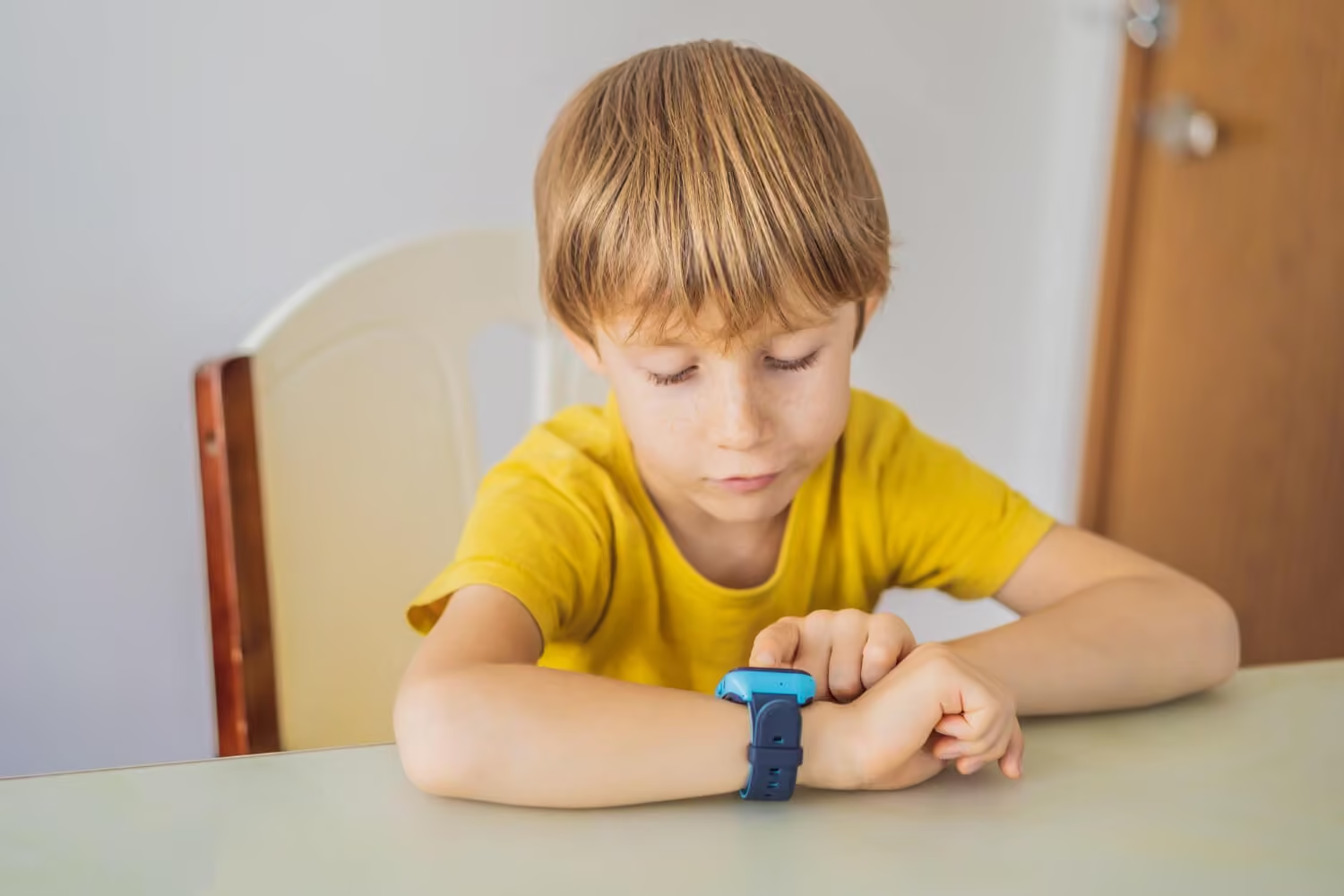
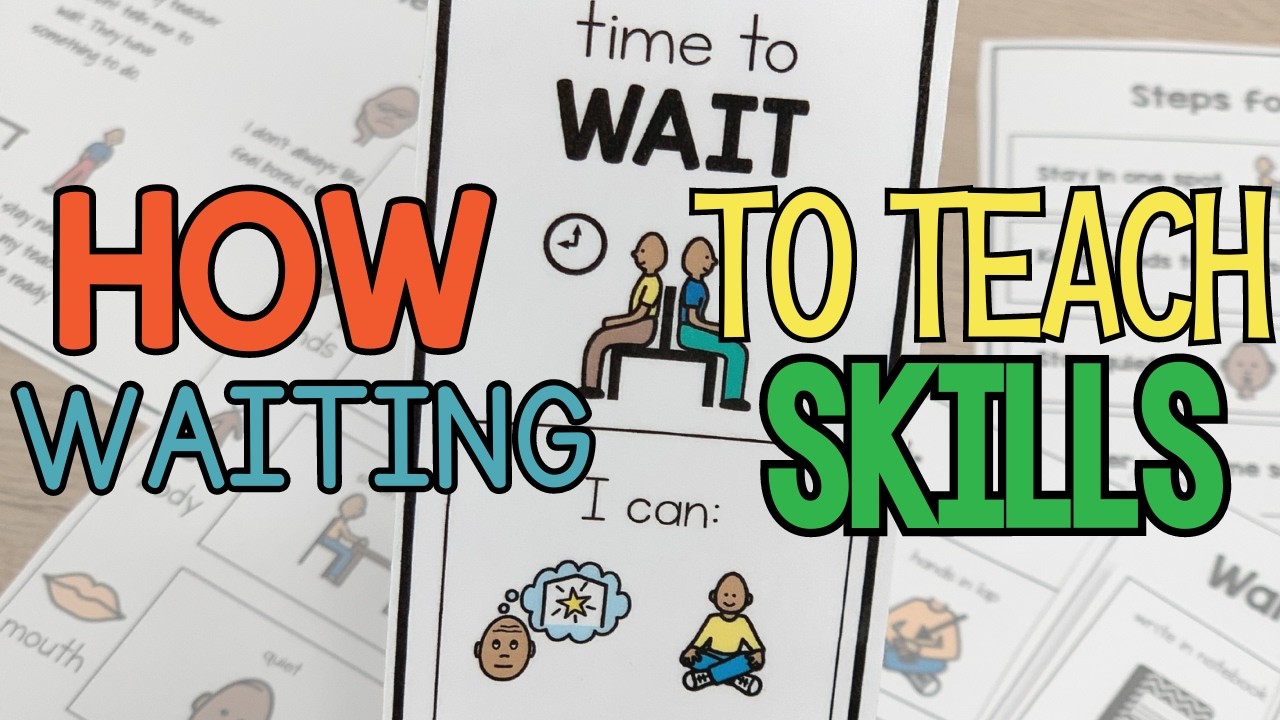
A child who doesn’t know if a wait will last ten seconds or ten minutes has no way to pace their own patience. The uncertainty itself, not the delay, is often the harder part to tolerate.
What ABA Research Says About Teaching Delay Tolerance
Applied behavior analysis research on delay tolerance shows that waiting is a skill that can be directly taught, not just something children eventually grow into.
Studies describe teaching children to tolerate delays to reinforcement as a well-established, evidence-based intervention target, especially for children who engage in challenging behavior when asked to wait.
One study found that children in a preschool classroom rarely waited appropriately before this skill was directly taught, and that teaching it reduced problem behavior during delays.
How Waiting Struggles Show Up in Daily Routines
Waiting-related frustration tends to cluster around a few predictable situations. Spotting the pattern makes it easier to plan ahead.
Waiting During Transitions Between Activities
Moving from a preferred activity to a less preferred one is one of the most common waiting triggers, especially without a clear signal for how long the transition will take.
Waiting for Turns in Social or Group Settings
Taking turns during a game or waiting to speak in a group requires holding a goal in mind while someone else acts first, a skill that layers waiting on top of social timing.
Waiting for Access to a Specific Item or Activity
A child asking for a specific toy or snack that isn’t immediately available often experiences the sharpest frustration, because the request has already been made and denied in the moment.
Step-by-Step Strategies to Teach Waiting Skills
Waiting skills build gradually, starting with very short, very predictable delays before working up to longer or less certain ones.
Starting With Short, Successful Waits
Begin with delays of just a few seconds where your child is virtually guaranteed to succeed. Short, winnable waits build the pattern of waiting calmly before introducing any real difficulty.
Using Visual Timers to Make Waiting Predictable
A visual timer turns an abstract wait into something your child can see counting down. This directly addresses the unpredictability that makes waiting hard in the first place.
Giving Something to Do During the Wait
Handing your child a small activity, a fidget, a short task, during the delay changes waiting from passive suffering into active occupation. This is a simple shift that noticeably reduces frustration for a lot of kids.
Gradually Increasing Wait Times Once Success Is Consistent
Once your child is consistently successful at a given wait length, increase it slightly. Moving too fast undoes progress, so small, steady increases work better than big jumps.
Common Mistakes When Teaching Waiting Skills
A few well-meaning approaches tend to backfire, and it helps to know them before you start.
Starting With Waits That Are Too Long
Jumping straight to a five-minute wait when your child has never successfully waited thirty seconds sets the skill up to fail before it has a chance to build.
Removing the Wait Entirely to Avoid a Meltdown
Giving in during a meltdown teaches that upset behavior shortens the wait, which reinforces the exact pattern you’re trying to reduce. Shorter, planned waits are a better fix than no waits at all.
How Achieve ABA Builds Waiting Skills Into Everyday Support
Waiting skills generalize best when they’re practiced across the settings your child actually lives in. That’s why we build this goal into coaching rather than isolated drills.
Embedding Waiting Practice Into Weekend Routines
Weekends often bring different schedules and more waiting moments, grocery lines, errands, family outings.
Our weekend ABA therapy option lets families keep working on this skill without losing momentum during the school week.
Teaching Parents to Reinforce Waiting Consistently
Consistency between home and school is one of the biggest factors in how quickly waiting skills generalize.
Parent training gives you the same strategies your child’s therapy team uses, so the skill doesn’t live in just one setting.
Supporting Families Across Colorado
We work with families in Parker, Longmont, and Loveland, building waiting skills into real routines rather than artificial exercises. Progress here tends to be gradual, and that’s normal, not a sign anything is going wrong.
Waiting in line, taking turns, or hearing “not yet” doesn’t have to feel overwhelming every time. At Achieve ABA Therapy Group, we help Colorado families turn everyday challenges into opportunities for growth, with ABA therapy that meets your child where they are.
Find Personalized ABA Support in Colorado!
Frequently Asked Questions
How long does it typically take to build waiting skills?
It varies widely by child, but gradual, consistent practice over weeks to months is typical rather than a quick fix.
Should I ever let my child skip waiting to avoid a meltdown?
Occasionally, yes, for safety or sensory overload. But routinely removing waits to avoid distress can reinforce the behavior you’re trying to reduce.
Can waiting skills be taught without formal ABA therapy?
Yes, many families use visual timers and gradual wait increases on their own. A BCBA can help if progress stalls or meltdowns are frequent and intense.
Does teaching waiting skills work the same way for nonverbal children?
Yes. Visual timers and predictable routines work well regardless of verbal ability, since the strategy relies on visual predictability rather than spoken explanation.
Sources:
- Gokey, K. M., Wilder, D. A., Welch, T., Collier, A., & Mathisen, D. (2013). Fading a concurrent activity during self-control training for children with autism. Journal of Applied Behavior Analysis, 46(4), 827–831. ]https://pubmed.ncbi.nlm.nih.gov/24114520)
- Vanderbilt Kennedy Center TRIAD. (n.d.). Strategies to increase appropriate waiting. Vanderbilt University Medical Center. (https://familiesfirst.vkcsites.org/waiting-tip-sheet)
- Hanley, G.P., Piazza, C.C., Fisher, W.W., & Maglieri, K.A. (2005). On the effectiveness of and preference for punishment and extinction components of function-based interventions. Journal of Applied Behavior Analysis. Referenced via Markovich, A. (2020). Utilizing behavior interventions to increase appropriate waiting behavior with individuals diagnosed with ASD: a review of the literature. Temple University. https://scholarshare.temple.edu/server/api/core/bitstreams/00cf8afd-6b9b-47db-8222-a196b9e9f6c1/content
- Hellemn, M.P. (2024). Using music-based naturalistic developmental behavioral intervention to increase waiting skills in preschool students with autism spectrum disorder. University of Georgia. https://openscholar.uga.edu/record/27078/files/Hellemn_uga_0077N_16234.pdf
- Centers for Disease Control and Prevention. (2025). Data and statistics on autism spectrum disorder. https://www.cdc.gov/autism/data-research/index.html