

Hyperlexia and autism often show up together: a child reads words far earlier than expected, sometimes before holding a back-and-forth conversation. The skill is real and worth celebrating, but understanding what is read can lag behind.
At Achieve ABA Therapy Group, we help Colorado families work out what an early reader needs next, and we build those next steps into our ABA services.
What Is Hyperlexia in Autistic Children?
Hyperlexia describes a child who reads written words much earlier and more fluently than their age, language, or overall development would predict. In autistic children it is one of several uneven learning profiles, and it deserves a closer look than the label “early reader” invites.
Early Word Reading With a Comprehension Gap
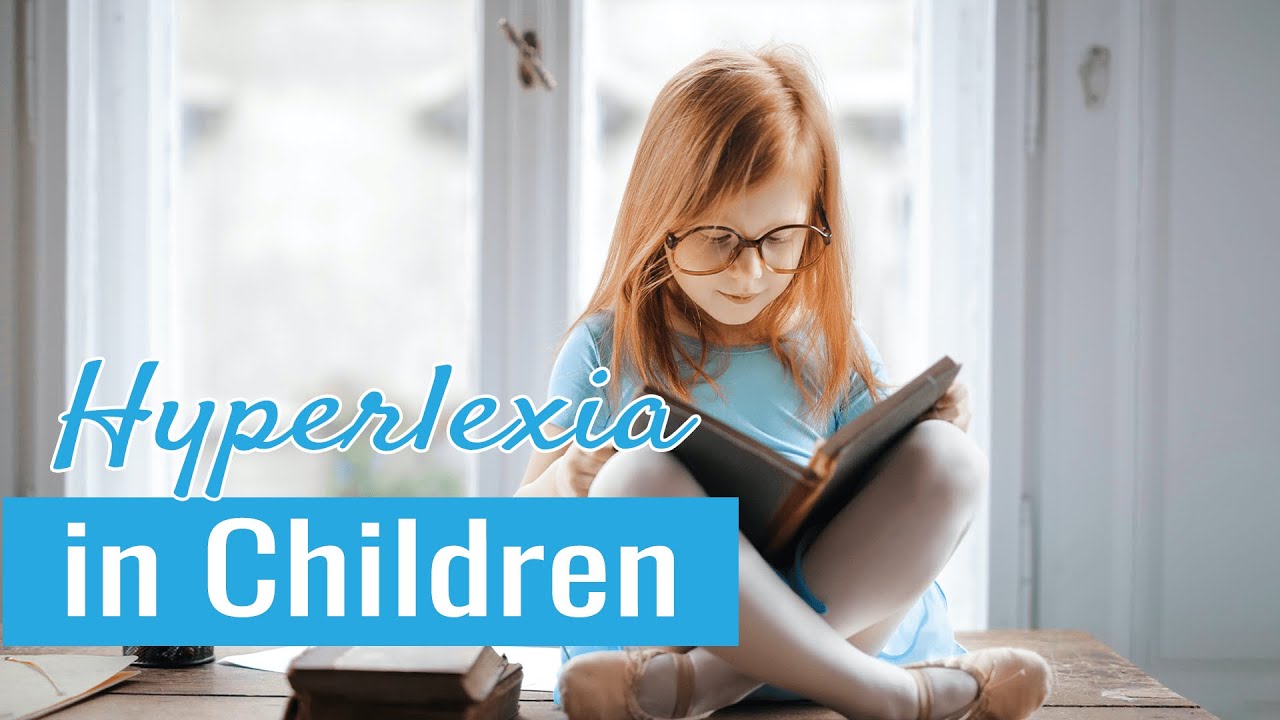
Researchers generally describe hyperlexia as spontaneous, advanced single-word reading that often emerges around age 3 without formal teaching and runs ahead of both comprehension and general cognitive skills. A child may read a menu aloud, sound out a street sign, or fly through a chapter book and still struggle to say what any of it meant.
That gap shows up in the research. In a 2007 comparison, autistic children with hyperlexia performed like typically developing children matched on single-word reading across reading-related tasks, with reading comprehension the exception (Newman et al., 2007).
How Common Is Hyperlexia in Autism?
The CDC’s most recent ADDM Network estimates found that about 1 in 31 eight-year-olds were identified with autism. No equally solid figure exists for hyperlexia, because research teams define it differently.
What studies do agree on is the pattern. One clinic-based study of 80 children with developmental delays found hyperlexia significantly more often in children on the autism spectrum than in children with other delays (Grigorenko et al., 2002). A separate study of 41 autistic children found reading skills ranging from very weak to very strong, with comprehension the shared soft spot (Nation et al., 2006).
Many autistic children do not read early, and early reading on its own does not point to autism.
Where Hyperlexia Fits in an Autism Evaluation
Hyperlexia is a descriptive term. It is not listed as its own diagnosis, and it does not explain a child’s whole developmental picture. A qualified clinician looks at social communication, play, language, flexibility, and sensory responses together.
If you are wondering whether your child’s profile points to autism, our autism diagnosis services can explain the evaluation process and what comes after.
Why Some Autistic Children Read So Early
No single explanation has won out in the research. Several strengths common in autistic children do line up well with how early reading works, and they are worth knowing about.
Pattern Recognition and Visual Memory
Written words are visual patterns that repeat. Many autistic children notice small visual details, remember what they see, and enjoy sorting and matching, which gives letters and words a head start.
Add alphabet puzzles, labeled toys, favorite shows with on-screen text, and tablet apps, and a child can build a large sight-word vocabulary quickly.
Strong Interests in Letters, Numbers, and Print
Intense interests are common in autism, and letters, numbers, logos, and signs make appealing topics. Print also looks the same every time. Spoken language shifts with tone, speed, and accent, so for a child who finds speech hard to follow, written words can feel more predictable.
What Researchers Still Debate
Questions remain about whether hyperlexia reflects a distinct subtype, how early readers move between sounding words out and recognizing them whole, and why comprehension lags. Studies have been small, and definitions differ from one team to the next.
That is why we treat any claim of a single cause with caution, and why we plan support around the individual child.
Signs of Hyperlexia in Autism
Early reading shows up in recognizable ways, and so do the comprehension gaps that often come with it. None of these signs confirms autism or hyperlexia on its own, but several together are a good reason to look closer.
Seven Signs to Watch For
- Reading words, signs, or labels at a very young age without being taught, often in the toddler or preschool years
- Intense focus on letters, numbers, logos, or printed text, such as lining up letter toys or asking to read the same sign again and again
- Fluent reading aloud with little ability to say what the passage was about
- Difficulty answering “who,” “what,” and “why” questions about a story
- Language that leans on memorized lines from books, shows, or videos, with fewer spontaneous words of their own
- Limited back-and-forth conversation, play with others, or shared attention such as pointing and showing
- Strong reactions to changes in routine, or a strong preference for solitary activities that involve print
Comprehension Clues Parents Often Miss
Fluent reading can sound like understanding. A child who recites a favorite book word for word may be relying on memory and rhythm rather than meaning.
A quick home check helps. After a short passage, ask one “who” question, one “what” question, and one “why” question, and notice whether your child answers or repeats the text back. Other clues include trouble with pronouns, idioms, and “what happens next,” and following written directions only when they are very literal.
Hyperlexia, Echolalia, and Scripted Language
Children who absorb text in chunks sometimes carry those chunks into speech, using lines from books or shows as their way of talking. Our posts on echolalia in autism and gestalt language processing explain how scripted speech can be a path toward flexible language.
If your child’s words came late or arrive mostly as scripts, our post on speech delay versus autism can help you sort out what you are seeing.
Hyperlexia vs. Gifted Early Reading
Early reading can mean a child is gifted, autistic, or both. The difference usually shows up in understanding and in how the child uses language with other people.
How Understanding Differs
- Gifted early readers typically understand language at or above their reading level, ask questions about what they read, and enjoy discussing stories.
- Autistic children with hyperlexia may read well above age level yet understand spoken and written language at a lower level, repeat rather than discuss, and find conversation, play, or sharing attention harder.
- Some children are both, sometimes called twice-exceptional, which is one reason a thorough evaluation helps.
When to Ask for an Evaluation
Consider asking your pediatrician for a developmental evaluation if early reading comes with limited back-and-forth communication, little pointing or showing, inconsistent response to name, strong distress with change, or loss of skills.
The National Institute on Deafness and Other Communication Disorders notes that signs of autism usually begin in the first two years of life, so early conversations with your pediatrician are worthwhile.
Colorado offers two public doorways. Early Intervention Colorado serves children under 3, and Child Find through your school district serves ages 3 to 5. The state’s Child Find directory explains how to refer your child for either one, and you do not need a diagnosis first.
How ABA Can Support a Child With Hyperlexia and Autism
Early reading hands us a strong tool, and a good plan uses it. Our aim is to connect words on a page to meaning, language, and everyday life.
Starting With Assessment and Trust
Our BCBAs begin by getting to know your child: how they communicate, what motivates them, and what understanding looks like beyond reading. Assessment covers language comprehension, spoken language, play, social skills, and learning style, and may include structured tools such as the VB-MAPP alongside observation and your input.
We build trust first, because a child who feels safe is a child who learns.
Using Reading as a Bridge Into Language
Reading can carry a child toward conversation when we use it on purpose:
- Written schedules and choice boards that let your child see what comes next
- Labels matched to real objects, places, and actions
- Short written scripts to ask for help or make a comment, faded as spoken language grows
- Step-by-step written routines paired with pictures or demonstrations
Visual supports like these are an evidence-based practice for autistic learners.
Building Comprehension Step by Step
We usually move through a sequence like this, adjusting the pace to your child:
- Match words to objects, pictures, and actions
- Follow single written directions that require a physical response
- Answer “who” and “what” questions about a sentence paired with a picture
- Retell short stories using sequence cards
- Answer “why” and “what happens next” questions
- Practice inference and perspective-taking with favorite books
We reinforce understanding rather than reading speed, and we track data so the plan changes when your child is ready. Timelines vary, and no provider can promise a specific outcome.
Growing Skills Beyond Reading
An early reader still needs the everyday teaching any child needs: requesting, commenting, playing, taking turns, and handling change. Our post on ABA for preschoolers explains how goals shift between ages 2 and 5, and our early intervention ABA program focuses on children under six.
For families who want to carry strategies home, parent training shows you how to use the same prompts and reinforcement between sessions.
Supporting Your Early Reader at Home and at School
You spend far more hours with your child than any weekly session can cover. A few small habits can turn reading time into language time.
Home Strategies That Build Understanding
- Pause while reading and ask one simple question per page before moving on
- Connect words to real objects: read “apple,” then hold, cut, and taste one
- Let your child choose books, and include some about their interests
- Act out favorite stories with toys or pretend play
- Use text in daily routines, such as a written morning checklist
- Celebrate the skill without turning every moment into a reading drill
Preschool, Daycare, and Kindergarten in Colorado
For ages 3 to 5, Child Find through your school district can evaluate for preschool special education services. For kindergarten through third grade, Colorado’s READ Act requires schools to screen students for significant reading deficiencies. A child who decodes well may not raise a flag on a general reading screen, so tell the teacher directly if you see comprehension gaps.
Our daycare-based ABA and school-based ABA teams work alongside educators, and back-to-school ABA helps children get ready for new classrooms. Telling your ABA team what happens at school helps us align goals.
Where We Provide Support Across Colorado
Our teams serve families across the Denver metro area, including Denver, Aurora, Lakewood, Arvada, Westminster, and Thornton. We also work with families in Boulder, Broomfield, Fort Collins, and Greeley, and in Colorado Springs and Pueblo. You can see every community we serve on our Colorado locations page.
Beyond in-home ABA therapy, we offer weekend ABA for busy schedules and deliver support in group home settings for older individuals.
Talk With Our Colorado Team
If you would like help turning early reading into real communication, we are here. Complete our intake form, or contact us, and our team will talk through your child’s needs and your insurance options.
Hyperlexia and Autism FAQs
Here are straight answers to questions parents commonly raise.
Is hyperlexia the same as autism?
No. Hyperlexia is an early-reading profile that appears often in autistic children, but it also occurs in other children, and many autistic children never show it. A developmental evaluation looks at the full picture rather than a single skill.
Does early reading mean my child is gifted?
Sometimes, but not automatically. Gifted early readers typically understand and discuss what they read, while children with hyperlexia may decode well and understand less. Some children are both, which is why a thorough evaluation helps.
Should I limit my child’s reading?
Generally no. Reading is a strength, and a good plan uses it as a bridge to language, routines, and play. Add conversation, pretend play, movement, and shared activities alongside books so reading supports connection.
Can ABA help a child with hyperlexia?
ABA can help build the skills that tend to lag behind reading, including understanding language, communicating needs, playing, and handling change. A BCBA designs goals around your child’s strengths. Progress varies by child, and no provider can promise specific outcomes.
Sources:
- Centers for Disease Control and Prevention. (2025). Data and statistics on autism spectrum disorder. https://www.cdc.gov/autism/data-research/index.html
- Colorado Department of Education. (n.d.). Colorado Child Find contact directory for children ages 3 through 5 years old. https://ed.cde.state.co.us/fs/pages/1039
- Colorado Department of Education. (n.d.). Colorado READ Act overview. https://www.cde.state.co.us/node/61538
- Early Intervention Colorado. (n.d.). Early Intervention Colorado. https://www.eicolorado.org/
- Grigorenko, E. L., Klin, A., Pauls, D. L., Senft, R., Hooper, C., & Volkmar, F. (2002). A descriptive study of hyperlexia in a clinically referred sample of children with developmental delays. Journal of Autism and Developmental Disorders, 32(1), 3–12. https://doi.org/10.1023/A:1017995805511
- Nation, K., Clarke, P., Wright, B., & Williams, C. (2006). Patterns of reading ability in children with autism spectrum disorder. Journal of Autism and Developmental Disorders, 36(7), 911–919. https://doi.org/10.1007/s10803-006-0130-1
- National Institute on Deafness and Other Communication Disorders. (2023). Autism spectrum disorder: Communication problems in children. https://www.nidcd.nih.gov/health/autism-spectrum-disorder-communication-problems-children
- Newman, T. M., Macomber, D., Naples, A. J., Babitz, T., Volkmar, F., & Grigorenko, E. L. (2007). Hyperlexia in children with autism spectrum disorders. Journal of Autism and Developmental Disorders, 37(4), 760–774. https://doi.org/10.1007/s10803-006-0206-y
Clinically reviewed by a Board Certified Behavior Analyst at Achieve ABA Therapy Group. Last updated October 2026.