


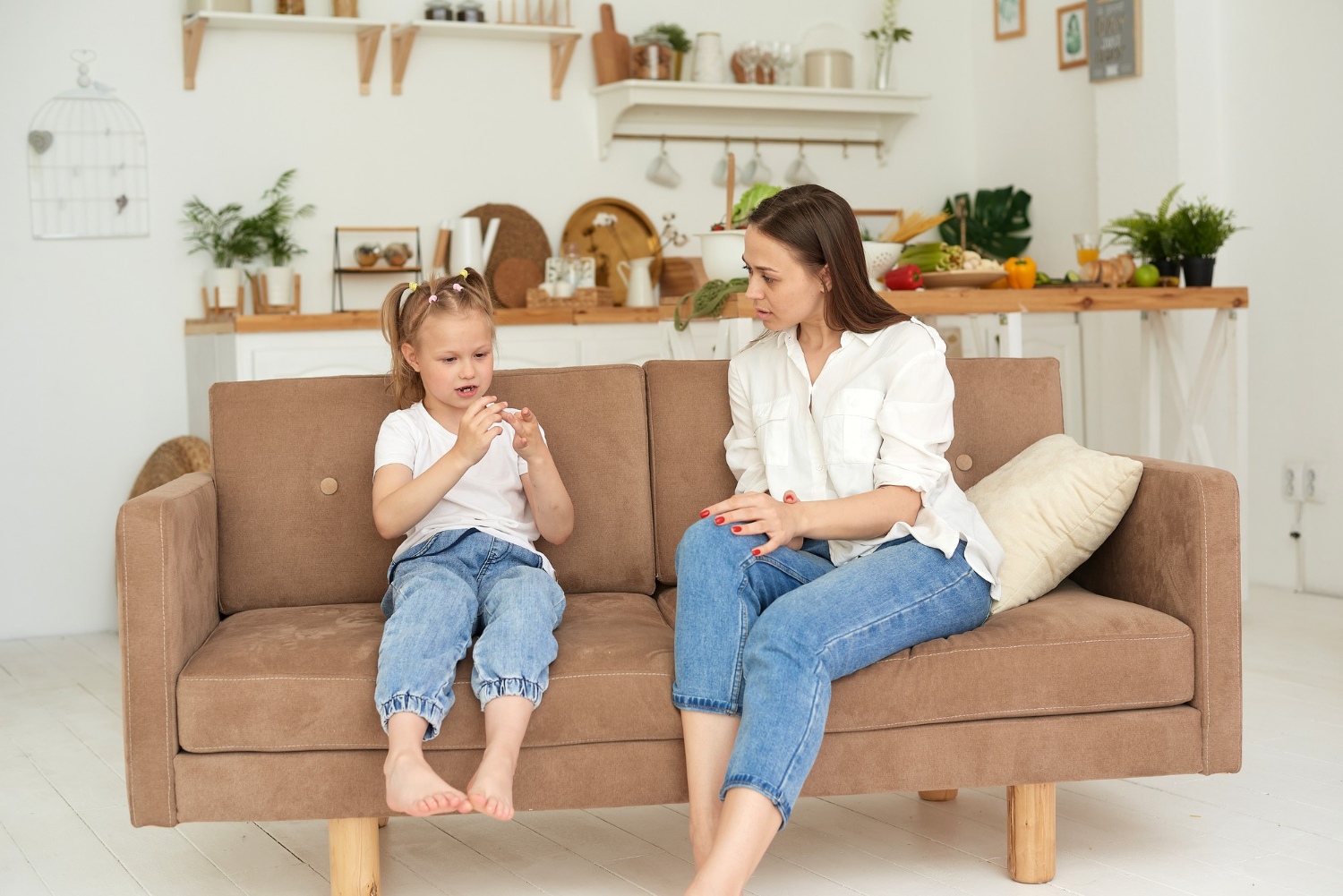
Starting in-home ABA therapy is a big step, and it comes with a very practical question: what do I need to do to my house before the first session? The reassuring answer is, well, not much.
Preparing your home for in-home ABA therapy is less about renovation and more about a few small, thoughtful choices that help your child focus and feel comfortable.
No two homes look alike, and the families we support in Westminster, Arvada, and Pueblo make it work in apartments, townhomes, and everything in between. This is a simple, room-by-room way to get ready, from a copy-ready checklist to easing distractions, handling the common early bumps, and knowing what the first sessions feel like so nothing catches you off guard.
Why a little home prep goes a long way
A small amount of setup helps your child settle in and helps therapy land. Understanding why makes the rest of the steps easy to prioritize.
Learning in the place skills are used
Skills tend to stick best when they are taught where your child uses them. A child who practices asking for a snack in the kitchen, or winding down in their own living room, has an easier time carrying that skill into daily life. This is one of the real strengths of in-home care, and a calm, settled space helps us make the most of it. Recognized practice guidelines point to this kind of natural, real-life teaching.
What we bring, and what helps to have ready
Your therapist brings the clinical materials, the data tools, and the plan. What helps most from you is your knowledge of your child and a few familiar items they love. You are not expected to stock a therapy room or become an expert overnight.
You do not need to overhaul your home
Please do not feel you must buy furniture, repaint, or clear out a room. A quiet corner and a little consistency go further than any purchase. If you are still deciding whether this type of support fits your family, the signs ABA helps can help, and everything here applies once you are ready to begin.
Your at-a-glance home prep checklist
If you would rather get ready right now, start here. Every item below is explained in more detail later, and this is the short, do-it-today version.
The quick checklist
Here is what to have in place before your first session, grouped by area.
| Area | What to do |
|---|---|
| Space | Pick one quiet, low-traffic spot, add a small table and two chairs or floor cushions, and keep it the same each time |
| Focus | Turn off the TV, silence phones and tablets, and clear extra toys and clutter from the area |
| Materials | Gather a few favorite toys and snacks, and keep everyday items like blocks, books, and a timer nearby |
| Safety | Move breakables, sharp items, and loose cords, secure climbable furniture, and set aside a calm-down spot |
| Routine | Choose consistent session times when your child is rested and fed, and make a simple visual schedule |
| People | Brief siblings and partners, plan where pets go, and be available during the session |
A simple 10-minute pre-session routine
Before each session, a quick reset makes a real difference. Try this short sequence:
- Turn off screens and silence phones.
- Tidy the therapy spot and set out a few reinforcers.
- Give your child a heads-up using their visual schedule.
- Settle pets and set siblings up with an activity.
- Offer a snack or a bathroom break so your child starts comfortable.
Ten minutes is usually all it takes to set the session up for success.
How to use this without overthinking it
You do not have to hit every item perfectly. Start with the space and the screens, add the rest as you find your rhythm, and let your therapist help you fine-tune. Done beats perfect here.
Setting up a space that works for in-home ABA
A dependable spot gives your child a gentle cue that it is time to focus. It can be simple, and it can be small.
Picking a low-distraction spot
Choose a quiet, low-traffic area where your child can settle, whether that is a corner of the living room, a place at the kitchen table, or a bedroom nook. It does not need to be a separate room. What helps is a spot with fewer things pulling your child’s attention away.
A simple surface, seating, and good light
A small table and two chairs, or even a clear patch of floor with cushions, is plenty for many children. Good lighting and a comfortable temperature help more than any special equipment. Your therapist will adapt to whatever space you have rather than asking you to build something new.
Keeping the same spot session to session
Using the same area each time builds comfort and helps your child shift into focus more easily. Once you find a spot that works, try to keep it steady rather than moving things around week to week.
Clearing the way for focus
A few minutes of preparation before each session removes the small distractions that pull a child off task. None of it takes long.
Screens, noise, and clutter
Turn off the TV, lower any music, and silence phone and tablet notifications before a session starts. Clearing extra toys and clutter from the immediate area helps your child concentrate on the activity in front of them rather than the ten other things in view.
A plan for siblings during sessions
Sessions often go more smoothly with a simple plan for brothers and sisters. Setting up another activity nearby, or timing sessions around a sibling’s schedule, keeps everyone comfortable. At times we may invite a sibling in on purpose to practice sharing and social skills.
Where the pets go
Pets are family, and a curious dog or cat can pull focus, especially early on. Giving pets a comfortable spot in another room during sessions helps your child concentrate. As things settle, your therapist can help decide when a pet can join in.
Having the right things within reach
You almost certainly already own what a session needs. A little organizing beats any shopping trip.
Your child’s favorite items and snacks
Motivation drives learning, so keep a few of your child’s favorite toys, activities, and snacks handy. These become natural rewards during sessions. Your therapist will notice what your child loves and put it to work, which is part of how reinforcement functions in ABA.
A simple therapy bin to keep nearby
One small bin near your spot keeps every session moving. Handy things to include:
- A few favorite small toys
- Preferred snacks within easy reach
- Blocks, picture books, and simple puzzles
- A visual timer
- Paper, crayons, or basic art supplies
- Wipes and a small towel
What you can skip buying
You do not need flashcards, boxed ABA kits, or expensive gadgets to begin. If your therapist recommends a specific item down the road, they will tell you and explain why. Until then, save your money and use what you have.
A quick word on safety and house information
Sessions are active, so a light safety pass and a bit of shared information set everyone up well. This is quick, not a renovation.
A five-minute hazard check
Move breakables and sharp objects out of the immediate area, tuck away loose cords, and secure anything your child likes to climb. For most families this is a light check rather than a full childproofing project, though your child’s specific needs may call for a bit more.
Sharing allergies, medical needs, and house rules
Tell your team the practical things that keep your child safe and comfortable, including food allergies, medications, sensory triggers, and any house rules you would like respected. The more we know up front, the more smoothly we fit into your home and routines.
A spot to take a break
A cozy place where your child can regroup, a bean bag, a quiet corner, or a favorite blanket, gives everyone a reset option when a moment gets hard. Breaks are a normal, healthy part of a good session, not a sign that something has gone wrong.
Building a routine around sessions
Predictability lowers anxiety and makes therapy feel like a natural part of the day. A steady rhythm helps more than a strict one.
Consistent timing and a predictable flow
Children often do best when sessions land at similar times, ideally when your child is rested and fed rather than tired or hungry. A predictable shape to the day makes moving into therapy far easier for everyone.
A visual schedule your child can follow
A simple visual schedule, using pictures or a short list, helps many children see what is coming and feel more in control. Your therapist can help you build one that fits your child and slots into your existing routine.
Staying consistent without being rigid
Consistency helps, and real life happens. Aim for a steady routine while giving yourself grace on the hard days. A session moved or missed now and then will not undo your child’s progress.
Preparing your child and your family
The people in your home shape how the first weeks feel. A few small conversations go a long way.
Helping your child know what is coming
Talking about therapy in simple, positive terms prepares your child for a new face in the house. Showing a photo of the therapist ahead of time, if you have one, or using a short story about what will happen, can ease first-day nerves.
Getting partners and siblings on the same page
A quick family conversation about what sessions look like, and how everyone can help, keeps things calm. Even young siblings can understand that this is your child’s special time. Families across the Front Range, from Denver and Boulder to Fort Collins, tell us this small step smooths out the early days.
Questions worth asking your team before day one
A short conversation before the first visit sets everyone up. Consider asking:
- What should our therapy space look like, and where do you prefer to work?
- What reinforcers or items should I have ready?
- How should I handle siblings and pets during sessions?
- What does the first session usually involve?
- How will we communicate about progress and any concerns?
Your part during and between sessions
You are a key member of the team, not a bystander. Being available during sessions, watching how strategies are used, and practicing them between visits is where a lot of progress is made. Our parent training work is built around exactly that partnership.
What the first few sessions look like
Knowing the early rhythm takes the pressure off. The start is gentler than many families expect.
Play first, demands later
The first sessions usually look a lot like play, and that is on purpose. Your therapist spends time building trust and learning what your child enjoys before asking much of them. This gentle, naturalistic start makes everything that follows easier. If the early days seem light on structured work, that is a good sign.
Early assessment and first goals
Alongside building rapport, your therapist observes and assesses to shape the plan. You can read more about that step in our overview of the ABA assessment. Early goals are chosen together with you and adjusted as your child settles in.
Talking openly with your team
Share what you notice, ask questions, and speak up if something feels off. The families who communicate openly tend to get the most from therapy. Your insight about your own child is information no assessment can fully capture.
Handling the common early bumps
Even with good preparation, the first weeks can have rough patches, and most of them are completely normal. Here is what tends to help.
When your child bolts or will not sit
Some children move a lot at first, and forcing them to sit rarely works. Your therapist often starts by following your child around and building interest before expecting stillness. At home, a more enclosed area and fewer escape routes help, and it is fine to raise this with your BCBA so the plan accounts for it.
When your child refuses or melts down
Refusal and big feelings are usually communication rather than defiance. Skilled therapists ease off, adjust, and rebuild before moving forward, and early sessions keep demands light on purpose. If distress is frequent, tell your team so they can look at what is driving it instead of powering through.
When siblings feel left out
It is common for a brother or sister to feel jealous of the attention. Building in a little one-on-one time with siblings, or a special activity during sessions, helps. Some therapists also fold siblings in for social practice, turning the issue into part of the plan.
When space is tight or the house is loud
A small apartment or a lively household is not a dealbreaker. A corner, a set of headphones, and a consistent time can carry a lot. Share your real constraints with your therapist, who is used to adapting and would rather work with your actual home than an ideal one.
Let’s make your first session a good one.
A calm start sets the tone for everything that follows, and we will help you get there. Talk with Achieve ABA Therapy Group about beginning ABA therapy in a way that fits your child and your home.
Explore the ABA services we offer:
- In-home ABA therapy
- Early intervention ABA therapy
- School-based ABA therapy
- Daycare-based ABA therapy
- Weekend ABA therapy
- Group home ABA therapy
- Summer ABA therapy
Send us a message to get started.
Frequently asked questions
Do I need a separate room for in-home ABA therapy?
No. A quiet corner or a spot at the kitchen table works well for most children. What helps is a consistent, low-distraction area, not a dedicated room, and your therapist will adapt to the space you have.
What should I do right before each session?
Run a quick reset: turn off screens, tidy the therapy spot and set out a few reinforcers, give your child a heads-up with their visual schedule, settle pets and siblings, and offer a snack or bathroom break. Ten minutes is usually enough.
How should I prepare my child for the first session?
Talk about it in simple, positive terms, show a photo of the therapist if you can, and have a few familiar comfort items nearby. A short story about what will happen can ease first-day nerves.
What materials do I need to buy?
Very little. Your therapist brings the clinical materials, and everyday items you already own often do the rest. It helps to keep some of your child’s favorite toys and snacks handy as natural rewards.
Should siblings be around during sessions?
A simple plan helps, such as another activity nearby or timing around their schedule. Sometimes a therapist will include a sibling on purpose to practice social skills, so it depends on the goal of the session.
How long are in-home ABA sessions?
It varies with your child’s plan and needs, and sessions may be shorter at first while your child builds tolerance. Your BCBA recommends a length and schedule based on your child rather than a fixed rule.
Do I have to stay home during sessions?
An adult should be present in the home, and being available and involved helps a great deal. You do not need to sit in on every minute, though watching how strategies are used makes it easier to reinforce them later.
What if my home is small or busy?
In-home ABA works in all kinds of spaces, from small apartments to full households. Your therapist is used to adapting, so a modest or lively home is not a barrier to good therapy.
How can I track my child’s progress at home?
Keep a few quick notes on wins and tough moments and share them with your team. Your day-to-day observations help the BCBA adjust the plan, and they capture things a scheduled session can miss.
How soon will I see progress?
It varies by child, and the early focus on rapport is part of the process. Progress is data-driven and rarely a straight line, so steady practice and open communication with your team carry more weight than any single week.
Sources:
- Autism Speaks. Applied Behavior Analysis (ABA). https://www.autismspeaks.org/applied-behavior-analysis
- Council of Autism Service Providers (CASP). Applied Behavior Analysis Practice Guidelines for the Treatment of Autism Spectrum Disorder. https://www.casproviders.org/asd-guidelines/
- AFIRM (Autism Focused Intervention Resources and Modules), UNC Frank Porter Graham Child Development Institute. Naturalistic Intervention. https://afirm.fpg.unc.edu/resource/naturalistic-intervention-brief-packet/
- AFIRM, UNC Frank Porter Graham Child Development Institute. Reinforcement (evidence-based practice brief). https://afirm.fpg.unc.edu/reinforcement
- AFIRM, UNC Frank Porter Graham Child Development Institute. Visual Supports. https://afirm.fpg.unc.edu/visual-supports
- Centers for Disease Control and Prevention. Treatment and Intervention for Autism Spectrum Disorder. https://www.cdc.gov/autism/treatment/index.html
- Eunice Kennedy Shriver National Institute of Child Health and Human Development (NICHD). Autism Spectrum Disorder: Treatments and Therapies. https://www.nichd.nih.gov/health/topics/autism/conditioninfo/treatments
- National Institute of Mental Health (NIMH). Autism Spectrum Disorder. https://www.nimh.nih.gov/health/topics/autism-spectrum-disorders-asd
- National Professional Development Center on Autism Spectrum Disorder. Antecedent-Based Interventions (evidence-based practice). https://autismpdc.fpg.unc.edu/evidence-based-practices
- Association for Science in Autism Treatment (ASAT). Applied Behavior Analysis (ABA) and Autism. https://asatonline.org/for-parents/learn-more-about-specific-treatments/applied-behavior-analysis-aba/