
When your child is screaming on the floor of the grocery store, it does not feel like the moment for definitions. Later, though, one question tends to surface: was that a meltdown or a tantrum?
For parents of autistic children, the difference is not simply wording. A meltdown and a tantrum come from different places, and they call for very different responses.
It can happen anywhere, the cereal aisle, the school pickup line, the living room floor. Parents across Colorado, from Thornton to Lakewood to Boulder, describe the same helpless feeling, and the same relief once they learn to tell the two apart. So this covers what sets a meltdown apart from a tantrum, how to spot which one you are seeing, what to do in the moment, and how to head off the hard moments before they build.
What sets a meltdown apart from a tantrum
The two can look almost identical from the outside, and underneath they are very different experiences. Understanding what drives each one is the whole key.
A tantrum has a goal
A tantrum is a learned way of trying to get something, whether that is a toy, a snack, or getting out of a task. The child keeps some control the whole time, often glances to see if it is working, and stops fairly quickly once the goal is met. Tantrums are a normal part of early childhood for autistic and non-autistic children alike, and they tend to ease as a child learns better ways to ask for what they need.
A meltdown is an overload
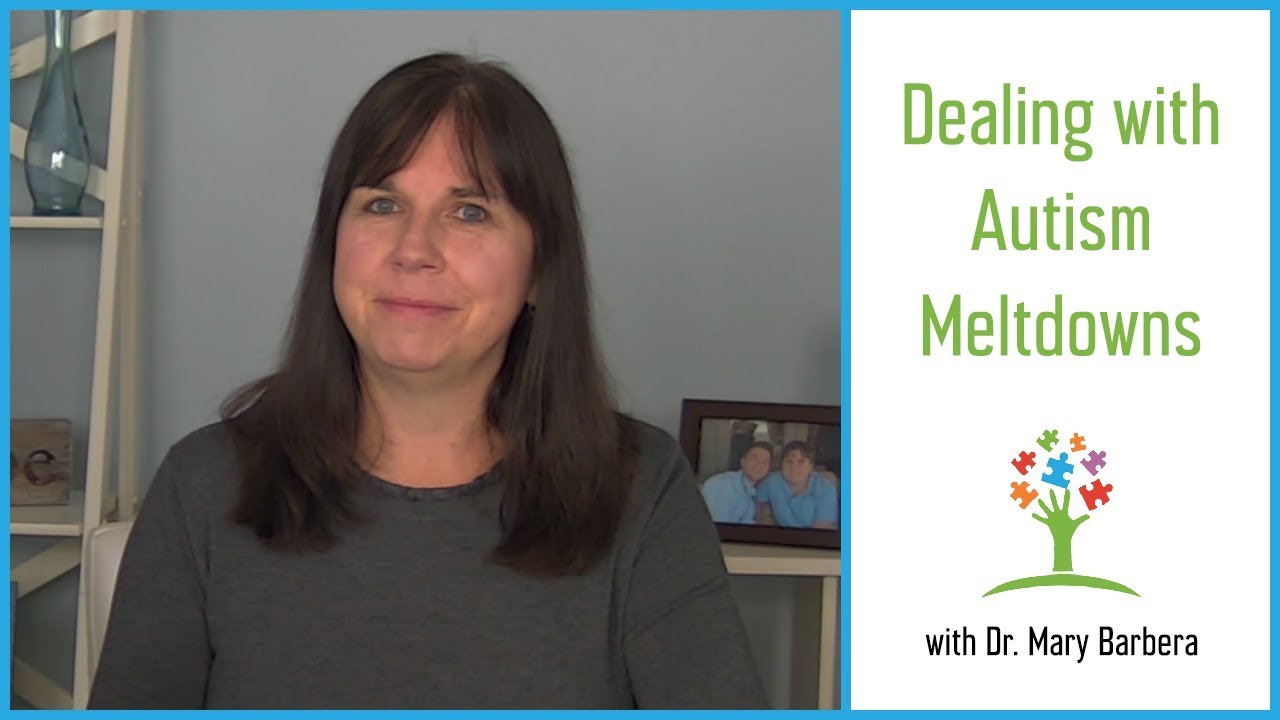
A meltdown is an involuntary response to a nervous system that has hit its limit. As the National Autistic Society describes it, a person becomes completely overwhelmed and temporarily loses control of their behavior. It is not bad or naughty behavior, and it is not a choice.
A meltdown can be loud, with crying, shouting, or lashing out, or it can be quiet, a shutdown where a child withdraws and stops responding. Either way, the child is in genuine distress.
Why the difference changes your response
Because a tantrum has a goal, giving in usually ends it, and doing so often teaches a child that the behavior works. A meltdown has no goal to satisfy, so giving in does not stop it, and discipline only adds fuel. We sometimes meet children whose ‘tantrums’ turn out to be meltdowns once we look at the sensory triggers behind them, and that shift in understanding changes everything about how a family responds.
Telling them apart in the moment
You will not always know right away, and that is fine. A few signals help you read the situation as it unfolds.
Look at the trigger
A tantrum usually starts right after a want is denied, such as a toy taken away or screen time ending. A meltdown builds from overload, whether that is noise, crowds, bright light, a sudden change of plan, hunger, or exhaustion. If you cannot point to something your child wanted, overwhelm is the more likely cause.
Notice whether there is an audience
A tantrum often needs someone watching, and it may fade when the audience leaves or the goal is out of reach. A meltdown happens with or without anyone around, because it is not aimed at anyone. A child alone in their room can have a meltdown, but rarely a true tantrum.
Watch what happens when you step back
If offering the thing your child wanted, or calmly holding the limit, settles the situation quickly, you were likely seeing a tantrum. If nothing you offer helps and the distress rolls on regardless, you are almost certainly in a meltdown, where the goal is not a thing at all but relief from overload.
Pay attention to the aftermath
After a tantrum, a child usually bounces back fast once things resolve. After a meltdown, a child often looks wrung out and needs real time to recover, sometimes sleepy, quiet, or clingy. That exhaustion is a strong clue that a nervous system, not a negotiation, was at work.
Meltdowns and tantrums at a glance
Sometimes a side-by-side makes the pattern click. The comparison below shows the tendencies, and your own child may not fit every row exactly.
A quick comparison
| Signal | Tantrum | Meltdown |
|---|---|---|
| Trigger | Wanting or avoiding something | Sensory or emotional overload |
| Control | Some control over the behavior | Little or no control |
| Audience | Often needs someone watching | Happens with or without an audience |
| Giving in | Usually stops when the goal is met | Does not stop by giving in |
| Afterward | Recovers quickly | Often drained and needs to rest |
When it is not clear-cut
Real life is messier than any table. A tantrum can tip into a meltdown when frustration piles onto an already stressed system, and some behaviors sit somewhere in between. When you are unsure, treating the moment as a meltdown, with calm and safety first, is the gentler mistake to make.
A note on the word tantrum
The word tantrum can carry blame, as if a child is being manipulative or naughty. Both tantrums and meltdowns are forms of communication rather than misbehavior. A tantrum is a young child working out how to get a need met, and a meltdown is a body that has hit its limit. Neither deserves shame, and understanding which is which lets you respond with the right kind of care.
What to do during a meltdown
During a meltdown, your job is not to teach or correct, but to keep your child safe and help their system settle. The Autism Society of North Carolina puts safety first, and so do we.
Keep your child safe and stay calm
Clear away anything breakable or sharp, and gently move your child to a safer spot if you can. Your own calm is one of the most powerful tools you have, since a steady, unhurried presence helps your child’s nervous system come down. Slow your breathing and your movements, even when it is hard.
Turn down the sensory volume
Reduce whatever is overloading your child. Dim the lights, lower the noise, move away from crowds, and ask onlookers to give space. A quieter, dimmer, calmer environment gives an overwhelmed system room to recover.
Give space and fewer words
This is not the time for questions, reasoning, or instructions, which only add to the overload. Use very few words, offer simple comfort like a soft ‘I am here,’ and follow your child’s cues. Some children want closeness, and others need distance until the wave passes.
What to skip in the moment
A meltdown is not misbehavior, so it does not call for consequences, lectures, or bargaining. Avoid punishing, teaching, crowding, or trying to snap your child out of it. Those responses tend to lengthen a meltdown rather than shorten it.
What to do during a tantrum
A tantrum calls for a different, steadier approach. The aim is to stay warm while not accidentally rewarding the behavior itself.
Stay calm and consistent
Keep your own tone even and your expectations steady. Reacting with big emotion, or caving one time and holding firm the next, tends to make tantrums more frequent. Calm consistency helps your child learn what works.
Name the feeling, hold the limit
You can acknowledge the emotion while keeping the boundary, something like, ‘You really wanted that, and it is time to go.’ Validating the feeling is not the same as giving in to the demand, and children settle faster when they feel understood.
Teach and reward asking
The lasting fix for tantrums is a better way to ask. Notice and praise the moments your child requests something calmly or waits well, and coach the words or signs that get needs met. This is the heart of functional communication, and it does more than any single response in the moment.
Helping after the storm passes
What happens once your child calms shapes how the next hard moment goes. Recovery deserves as much attention as the event itself.
Reconnect before you correct
When the intensity fades, lead with warmth. A hug, a quiet moment, or simply sitting nearby rebuilds safety. Corrections and lessons can wait, and connection is what your child needs first.
Give time to recover
A meltdown is draining, and sometimes frightening, for a child. Offer rest, a soothing activity, or quiet time, and do not rush back into demands. Your child may be tender for a while, and that is normal.
Look back for patterns later
Once everyone is settled, and only then, it can help to gently revisit what happened, using a simple story or pictures for younger children. Over time, noticing what led up to the moment helps you and your child prepare for it differently next time.
Preventing meltdowns before they start
You cannot prevent every meltdown, and you can lower how often and how hard they hit. Prevention is where a lot of relief lives.
Learn your child’s triggers
Keeping a simple log of what came before each meltdown, the setting, the noise, the schedule, the sleep and food, reveals patterns over time. Many triggers are sensory, while others are tied to change, hunger, fatigue, or the strain of communicating. Naming the patterns is the first step to easing them. Families across the Front Range, from Denver and Aurora to Fort Collins, tell us that spotting these patterns early is what turns the hardest weeks around.
Catch the early warning signs
Meltdowns rarely appear out of nowhere. Many children show a build-up first, sometimes called the rumble stage, with more stimming, pacing, covering the ears, or repeated questions. Spotting these early gives you a chance to step in with a break or a calmer space before the wave crests.
Use warnings, routines, and visual supports
Predictability soothes an anxious system. Give warnings before transitions, keep routines steady, and use a visual schedule so your child can see what is coming. Small tools like these prevent a surprising number of hard moments.
Lighten the load on hard days
On days that are already full of change, noise, or poor sleep, expect less and build in more downtime. Reducing demands when your child’s reserves are low is not giving up, it is smart prevention that keeps a stressful day from tipping over.
How ABA helps with meltdowns and tantrums
Supporting these moments is a core part of what we do, and it works best when it is built around your specific child. A few pieces make the difference.
Finding the function behind the behavior
Behavior always has a reason, and pinning down that reason is where good support starts. Through a careful assessment, and by working with your Autism Research Institute style behavior log, we look at what a tantrum is trying to achieve or what is overloading a child before a meltdown, then plan from there.
Teaching communication and coping
For tantrums, we teach and reinforce clearer ways to ask, so a child does not have to escalate to be heard. For meltdowns, we focus on regulation and coping skills, calming strategies, break requests, and self-advocacy, and we help you build them at home through parent training. The goal is fewer and gentler hard moments, not a perfectly quiet child.
Support built around your child
Modern ABA is not about suppressing feelings or forcing compliance. It is about understanding your child, easing what overwhelms them, and teaching skills with respect and care. If this sounds like the kind of help your family could use, the signs ABA helps are a good place to start.
Meeting the hard moments with understanding
Learning the difference between a meltdown and a tantrum changes how the hard moments feel, for your child and for you. One asks for calm boundaries, the other asks for safety and comfort, and both go better when your child feels understood rather than judged.
Progress looks like fewer, gentler storms
The aim is never a child who never struggles, because every child does. With understanding, prevention, and the right skills, the hard moments tend to grow less frequent and less intense over time, and recovery gets easier. We keep expectations honest and celebrate the quiet wins along the way.
You do not have to figure this out alone
If the tough moments feel constant, support can lighten the load for your whole family. Achieve ABA also helps families in Arvada, Westminster, Centennial, Colorado Springs, and Pueblo understand what is driving the tough moments and build calmer days through:
- In-home ABA therapy
- Early intervention ABA therapy
- School-based ABA therapy
- Daycare-based ABA therapy
- Weekend ABA therapy
- Group home ABA therapy
- Summer ABA therapy
Call 720-463-9000 or send us a message, and a real member of our team will get back to you.
Frequently asked questions
What is the main difference between a meltdown and a tantrum?
A tantrum is goal-directed, a way of trying to get or avoid something, and the child keeps some control. A meltdown is an involuntary response to being overwhelmed, with a loss of control, and it is not aimed at getting anything.
Can autistic children have tantrums too?
Yes. Autistic children have tantrums just like other children, and they can also have meltdowns. The challenge is telling them apart, since each one needs a very different response.
How do I know if it is a meltdown or a tantrum?
Look at the trigger, whether an audience seems involved, what happens when you step back, and the aftermath. Wanting something, needing an audience, and quick recovery point to a tantrum. Overload, distress with or without onlookers, and exhaustion afterward point to a meltdown.
Should I give my child what they want to stop a meltdown?
A meltdown has no goal to satisfy, so giving in usually does not stop it and can add confusion. The most helpful response is safety, calm, less sensory input, and space, then time to recover.
Is it bad to give in during a tantrum?
Giving in to the demand can teach a child that the behavior works, which makes tantrums more likely. You can still acknowledge the feeling warmly while holding the limit, and reward calmer ways of asking.
What is a silent or internal meltdown?
Not all meltdowns are loud. Some children shut down, withdraw, or go quiet when overwhelmed, which is just as distressing even though it causes no disruption. These quieter meltdowns are easy to miss if you do not know to look for them.
How long do meltdowns last?
It varies by child and situation, and many ease within roughly twenty to thirty minutes once the stressor is removed and the child has a calm space. Recovery afterward can take longer, so allow time and rest.
How can I prevent meltdowns?
Learn your child’s triggers, watch for early warning signs, use warnings and visual schedules for transitions, and lighten demands on hard days. You cannot prevent every meltdown, and these steps meaningfully reduce them.
When should I get professional support?
If meltdowns are frequent, intense, or affecting daily life, or if you are unsure how to help, a qualified provider can identify triggers and teach coping and communication skills. Support helps both your child and your whole family.
Sources:
- National Autistic Society, Meltdowns: https://www.autism.org.uk/advice-and-guidance/behaviour/meltdowns/all-audiences
- Autism Research Institute, Meltdowns and Calming Techniques in Autism: https://autism.org/meltdowns-calming-techniques-in-autism/
- Autism Society of North Carolina, Toddler Tantrum or Meltdown?: https://www.autismsociety-nc.org/tantrum-or-meltdown/
- Autism Speaks, Applied Behavior Analysis (ABA): https://www.autismspeaks.org/applied-behavior-analysis